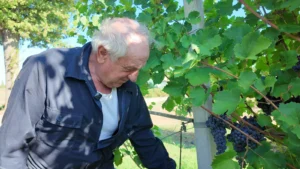
Today we are with Antonio Paolini, our guide in a tasting that explored the dialogue between Valpolicella wines and Parmigiano Reggiano, held within the framework of DOPera DOP — the European campaign devoted to promoting DOP excellence and the territories that embody authentic Italian heritage.
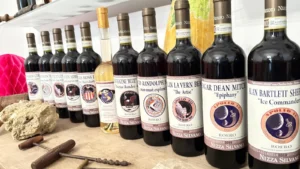
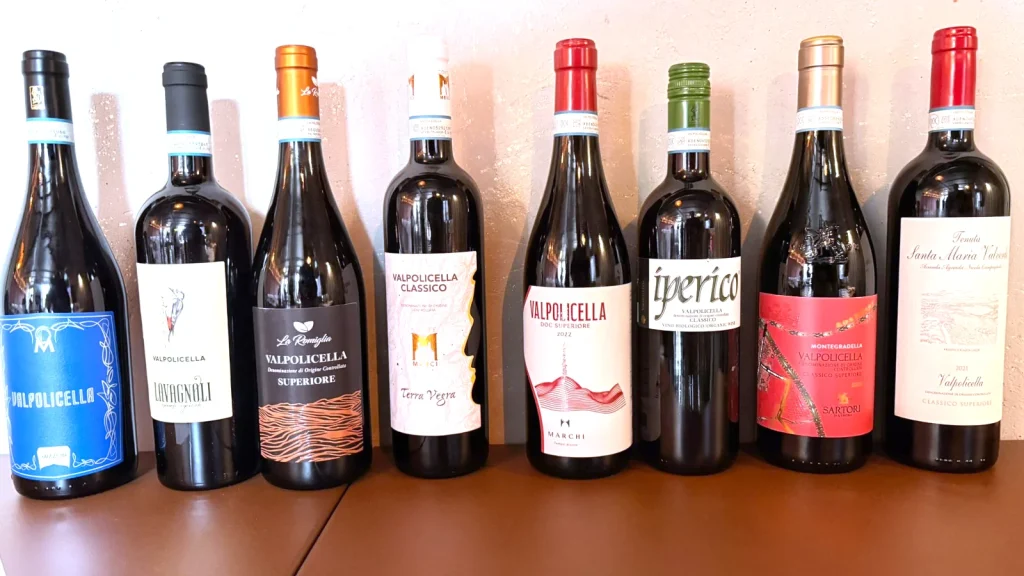
With Paolini leading the way, the story of Valpolicella becomes a reflection on the future of Italian wine: a pursuit of balance, transparency, and a new kind of elegance that doesn’t renounce complexity but embraces lightness as a mark of maturity. Eight wines — different in vintage, soil, and interpretation — traced a mosaic of territorial identities now in dialogue with contemporary taste.
No longer just the land of Amarone or Ripasso, Valpolicella is rediscovering its truest self. Behind each glass lies the awareness that strength no longer depends on concentration or alcohol content, but on the ability to express landscape, craftsmanship, and the natural character of local grapes. The new Valpolicella, as Paolini suggests, is one that smiles: a wine that complements food with ease, that invites another sip, and that celebrates pleasure without excess.
The tasting, paired with Parmigiano Reggiano, revealed how two seemingly distant worlds can actually speak the same language. On one side, the depth and savoriness of the cheese; on the other, the freshness and vibrancy of the Veronese reds — a dialogue of textures, aromas, and maturation that mirrors and enhances each other.
Paolini also reminds us of the importance of the service ritual: temperature, timing, and the respect shown to the wine once it reaches the glass. Small gestures that make a big difference — and that reflect the same culture of craftsmanship and care that defines all DOP excellence across Italy.
In the end, what remains is the impression of a Valpolicella in motion: aware of its heritage yet ready to interpret it through a modern lens. A wine that regains its natural rhythm, uniting rural tradition and contemporary elegance. Much like Parmigiano Reggiano, it tells a story of time, place, and respect — the three cornerstones that continue to shape the meaning of Italian quality around the world.