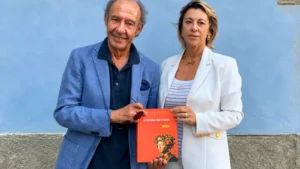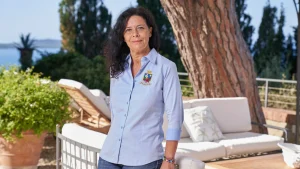

Calabria is experiencing a true wine renaissance. This is the message conveyed with great enthusiasm by Paolo Ippolito, Cirò producer and authoritative voice in Calabrian wine, in a recent interview in Rome. “For several years now,” he explains, “our region has been rediscovering and sharing its immense winemaking heritage, built on ancient traditions — after all, the Greek colonists used to call the inhabitants of this land Enotri, meaning ‘people of wine.’”
This rebirth is driven by multiple factors: firstly, the commitment of historic wineries, like Ippolito’s, that have invested in quality and in building their presence in both national and international markets. Alongside them, a new generation of winemakers — the so-called Cirò Boys — has brought fresh energy and innovation. “The result is a lively, competitive, and collaborative market,” Ippolito notes.
The support of the Calabria Region, particularly from the Regional Councillor for Agriculture Gianluca Gallo, has also been crucial, with forward-looking policies helping to elevate the Calabria brand. “Let’s not forget that Calabria is the Italian region with the greatest biodiversity and the longest coastline,” Ippolito reminds us, “a perfect combination of gastronomy, sea, mountains, and culture.”
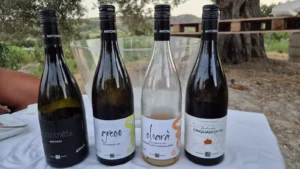
This shift is now clearly reflected in consumer perception: while restaurant wine lists once skipped straight from Campania to Sicily, Calabrian labels are now earning their rightful place. Much of the credit also goes to Calabria’s extraordinary native grape heritage, boasting over 300 indigenous varieties — the legacy of centuries of history and Greek influence.
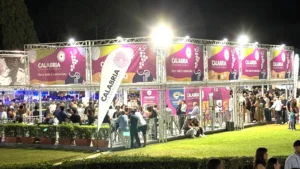
Another strong sign of Calabria’s growing prominence is that the wine world is now looking to the region: “In the past, we had to travel to make ourselves known. Now, major national and international wine events are coming to Calabria,” says Ippolito. Vinitaly Calabria, Cirò Merano Wine Festival, and the Concours Mondial de Bruxelles are just a few of the events highlighting the growing interest in this territory.
That said, there is still work to do in terms of tourism and wine tourism. “Calabrian wineries are catching up in terms of hospitality,” Ippolito admits. “Places like Tropea, Soverato, and Scilla are already popular destinations, but further investment is needed to create experiences that meet visitors’ expectations. In Cirò, for example, wine tourism starts in March and runs through October, but the potential is enormous.”
Looking at the broader Italian wine market, Ippolito observes a slowdown in domestic consumption, influenced by economic factors and regulations that have somewhat penalized wine’s image. “We need to refresh the way we talk about wine, making it more accessible and less technical,” he suggests. And what about trends like alcohol-free wines? “They are different drinks, not alternatives to wine. The market craves authenticity and real stories.”
As the conversation draws to a close, one question is inevitable: why choose Calabrian wine? Paolo Ippolito’s answer is clear: “Because it’s authentic, indigenous, and high-quality. Calabria produces only 0.4% of Italy’s wine — a precious niche. Drinking Calabrian wine means supporting honest agriculture that is helping to transform and redeem our region, which has long been subject to negative stereotypes. It’s a land of real substance, with so much to discover: in wine, in food, and in hospitality.”
And as Ippolito concludes: “It’s time to open a good bottle — strictly Calabrian.”