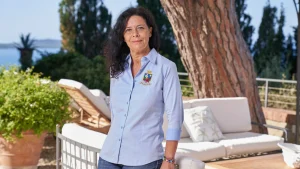
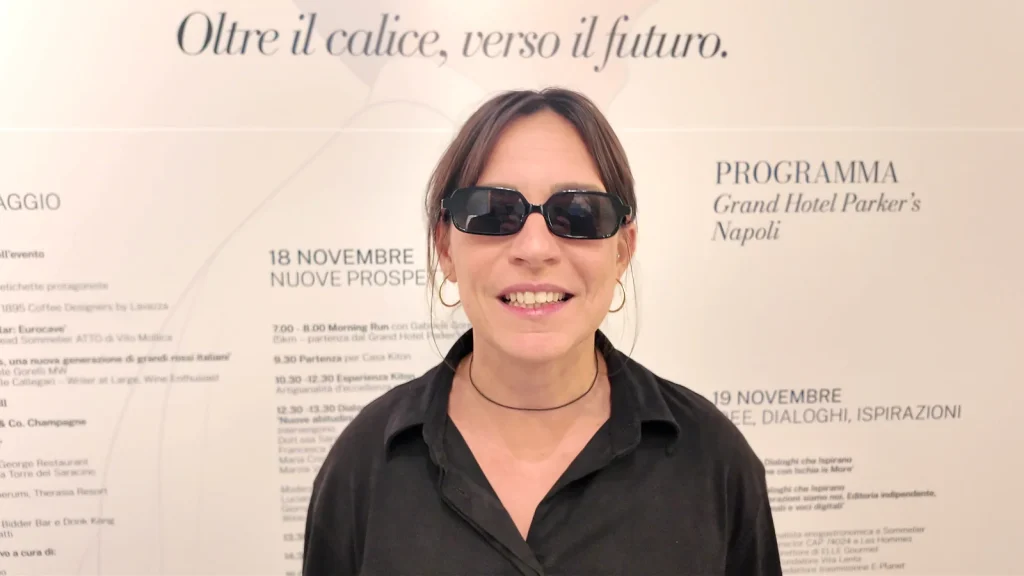
Talking about wine to people in their twenties isn’t an impossible mission—it’s a huge opportunity. That’s the starting point of our conversation with Federica Fina, who through her work in wine tourism has closely observed a generation often considered distant from wine but actually curious, attentive, and surprisingly receptive when engaged the right way. For her, the key is both simple and demanding: speak their language, tap into their interests, and do it without sacrificing the quality of information. The goal is a more immediate, fresh approach capable of keeping their attention high and making the experience more joyful—without falling into superficiality. And, she adds, it’s something that gives energy back to those who practice it: “You end up feeling twenty again yourself.”
The theme of hospitality surfaces repeatedly in her reflections. Welcoming young people isn’t just an opportunity—it’s a responsibility for those who produce wine, because it means educating them toward conscious consumption, teaching them the difference between drinking and tasting, and passing on wine culture in a natural and engaging way. But, Federica notes, when it comes to speaking to young people, it’s not enough to talk about them: young people themselves should have a central role in communication. The wine world still considers “under 40” as “young,” yet it’s the real twenty-somethings—those immersed in new languages and digital dynamics—who should inspire the communication codes of today and tomorrow.
This is precisely where Generazione Next comes in, a project Federica follows closely and which has now become an official initiative within Assovini Sicilia. It brings together under-40 producers who literally grew up among the vineyards. Their goal is to renew the way wine is communicated, making it livelier, more authentic, and less rigid. Because—she admits with disarming honesty—those within the sector often get bored by their own narratives. Transparency, truth, and above all a collective vision capable of uniting twenty- and thirty-somethings in a continuous dialogue are the tools that Generazione Next wants to promote.
The conversation then takes an unexpected turn: the involvement of very young children. Federica explains that, in her experience with wine tourism, welcoming families with kids is often the most rewarding moment. Her approach is clear: never isolate children with a coloring sheet, but include them in the experience, make them feel part of what their parents are living. Through questions, games, and small interactive moments, they become active participants. And the greatest reward comes precisely from them: “Kika, I want to do your job,” they often tell her. Children then become the ones who recount the visit to grandparents, aunts, and uncles once they return home—becoming, unintentionally, little ambassadors for the winery and its territory.
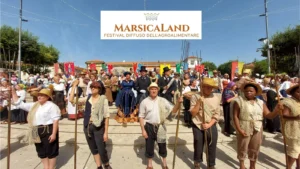
To close, Federica leaves us with a message that sums up her entire vision: let’s not abandon young people, and let’s not abandon the very young. Involving them today means building a wine community that is more conscious, inclusive, and forward-looking. And her final invitation turns into a shared promise: meeting again in Marsala, a place that for her is home and a creative workshop for new ideas. It is there, among vineyards and stories, that this dialogue with the future will continue.