Please don’t mind if in this article I tend to talk first about emotions and then about wine. My question “why Nerominiera?” was the trigger for stories that still leave me thinking and reflecting.
We are in Sulcis, in the south-western part of Sardinia. A stretch of coast famous for its beaches but with a history inseparably linked to mining activity, particularly coal extraction.
Carbonia was founded during the Fascist period. Enrico’s father, a miner, began going down into the mine at eighteen with the conviction that he would not return, but things did not go exactly that way, since at that time working in the mine was the real and main source of livelihood for the local people. Yet despite everything, his farming vocation was never set aside.
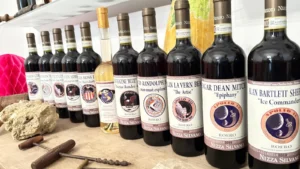
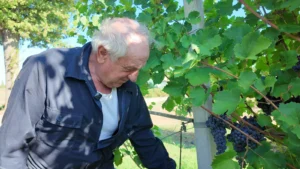
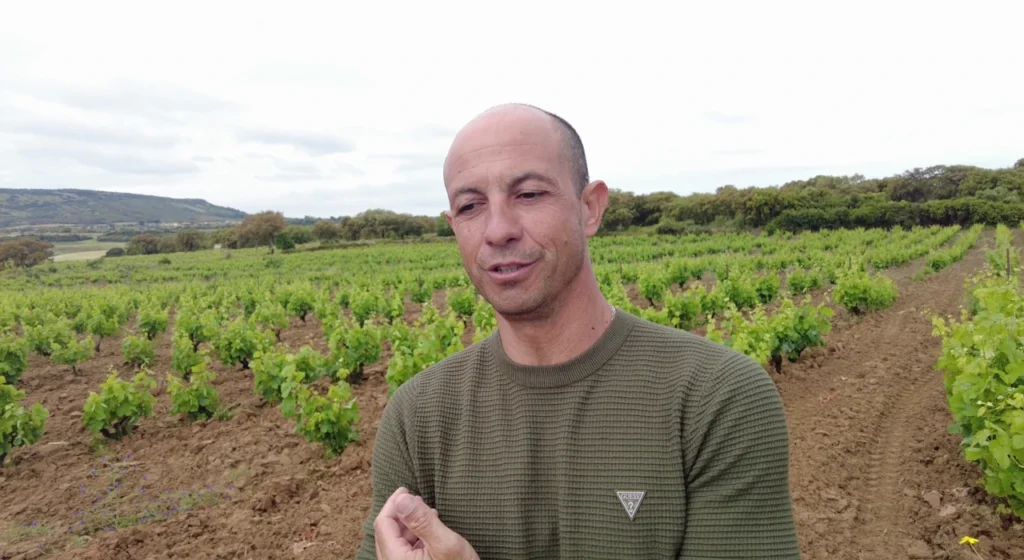
Enrico speaks about his vineyard with the pride of someone who in recent years chose to continue rather than “pull it up”. The pride is that of someone who is proud to carry on what his father built. “Farmer and Miner: a life spent between the light of the vineyards and the darkness of the mine.” This is what you read on Enrico’s labels, and “Nerominiera”, once you have heard his stories, expresses this concept perfectly.
The land of Carbonia and of Enrico Esu’s vineyards is sandy soil where Carignano finds its best expression. Vineyards more than 50 years old, ungrafted, pre-phylloxera, trained in the alberello system — in this case free-standing bush vines without support, to allow better exposure.
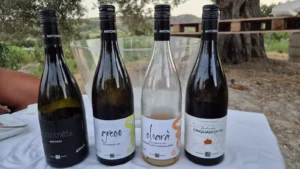
A pure Carignano, deep in color, with a full sip. The same character as this territory and Enrico’s stories.