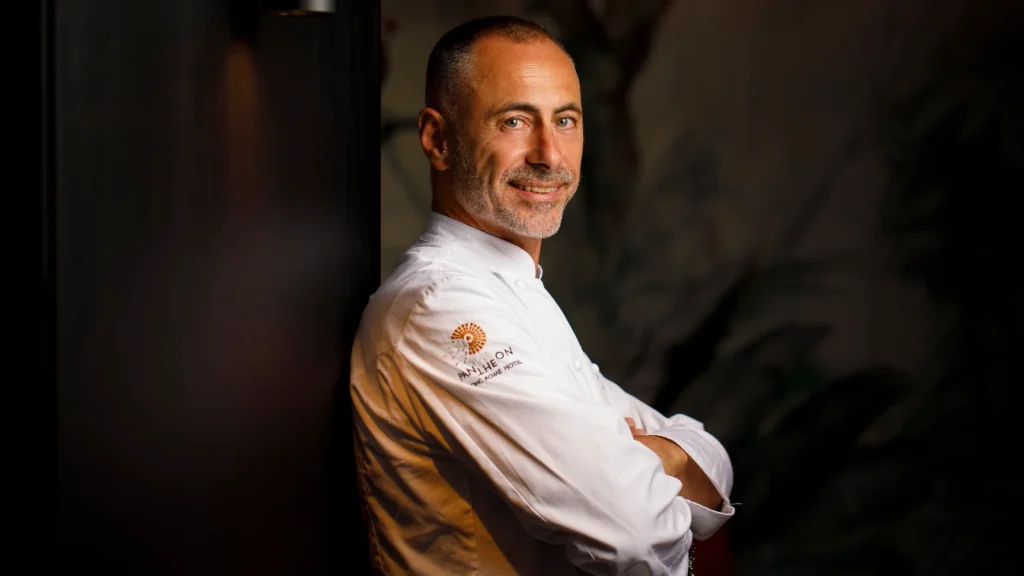
The Michelin-starred chef of Idylio by Apreda reflects on the current moment of fine dining, between research, spices, identity, and the delicate balance with wine.
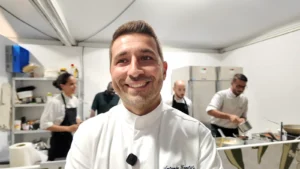
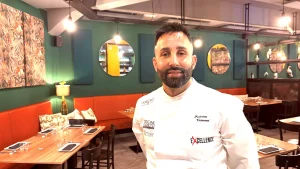
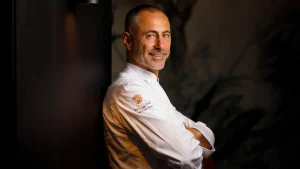
The debate about the future of fine dining is becoming increasingly present. Some speak of a crisis, others of transformation, and others still of an inevitable change in the way haute cuisine is experienced. According to Francesco Apreda, chef of the Michelin-starred Idylio by Apreda in Rome, the reality is far less dramatic than it is often portrayed.
“It’s not like that at all,” he explains. “We are certainly living through a complex moment, but the difficulty comes more from the confusion of the times than from a real crisis.” The restaurant world, like many other areas of contemporary culture, is overwhelmed by the speed of images and information. A simple scroll on a phone is enough to encounter hundreds of dishes, cuisines, styles, and interpretations.
“Today everything moves very fast,” Francesco says. “You see so many things and think you understand what fine dining is. But fine dining is study, research, and identity.” It is true that it is still an experience aimed at a relatively limited clientele, but something is beginning to change. More and more young people are looking at this world with curiosity.
“It is also expanding to younger audiences,” the chef observes. “Many people look at it with interest, but they are often afraid to approach it.”
Despite this sense of distance, fine dining continues to play a fundamental role in the gastronomic landscape. “Fine dining sets the trends,” Apreda explains. “It sets the pace not only for haute cuisine but also for more casual formats like bistros. If innovation does not start there, the whole system risks standing still.”
One of the most delicate challenges for a chef is finding the right balance between tradition and creativity. This is particularly sensitive in Italy, where gastronomic heritage is deeply rooted in culture and territory. “You must never lose sight of what is actually on the plate,” Apreda emphasizes. “When you try too hard to impress, you risk losing the guiding thread of the cuisine.” No matter how sophisticated the technique or spectacular the presentation may be, the heart of the experience remains the same: flavor. “The dish must move you through the taste,” he explains. “It can move you through its aesthetics, through how it is presented or described, but in the end it must move you above all through its flavor.”
In Apreda’s case, this search for balance also passes through a defining element of his cuisine: the use of spices. A gastronomic language built over the years thanks to international experiences and a sensibility that often looks toward the East. “Everything you put on the plate must be perceived in the right way,” he says. “Every element must contribute to the balance of the dish.”
It is therefore an identity-driven cuisine, capable not only of telling the story of a territory but also the personal journey of the chef. “The cuisine must tell the story of the territory, the chef, and his experiences,” he explains. “But it must always remain delicious.” And then there is the relationship with wine, another delicate balance that accompanies every gastronomic experience.
With a cuisine as complex and aromatic as Apreda’s, the challenge of wine pairing becomes even more fascinating.