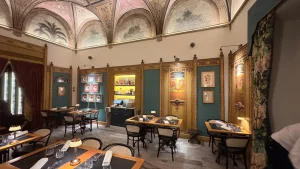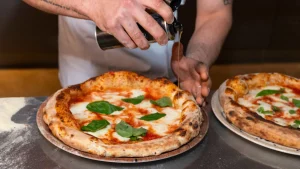
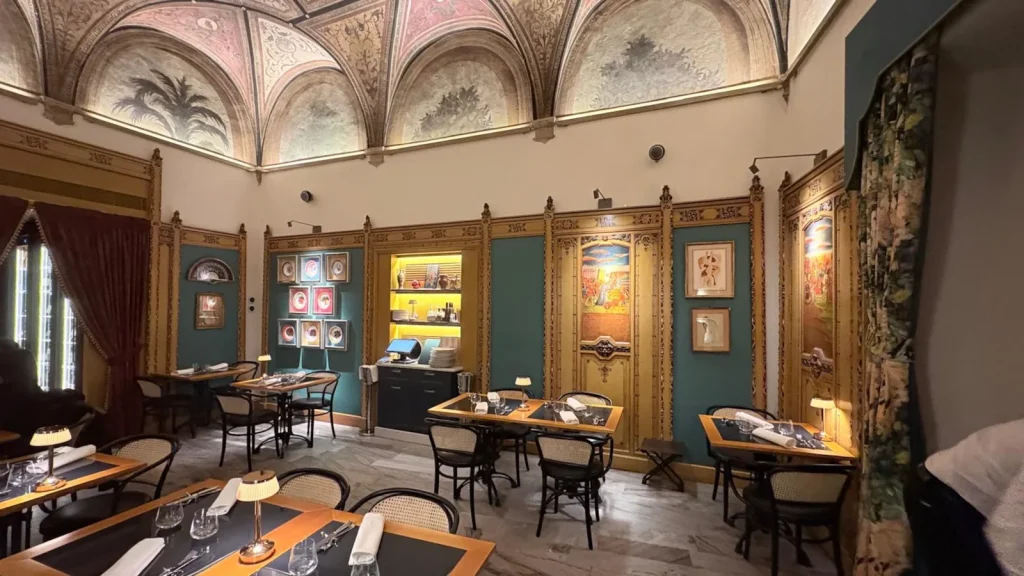
In one of Rome’s most elegant corners, just steps away from the Pantheon, Vico Pizza&Wine is redefining the language of contemporary pizza. Not only through doughs and technical research, but by creating a continuous dialogue between cuisine, design, creativity and territory. A project set inside an unconventional location, where pizza moves beyond the traditional pizzeria setting and enters a space shaped by contemporary hospitality and a refined, almost museum-like aesthetic.
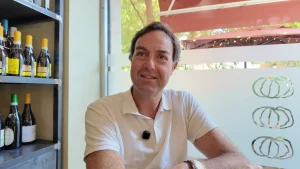
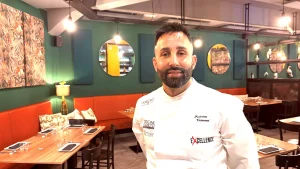
“I wouldn’t call it luxury,” says Ciro De Vincenzo. “I’d rather say we are surrounded by art.” And it is precisely this idea of contamination and fusion that defines the philosophy behind Vico Pizza&Wine: bringing a humble, popular dish into a sophisticated environment without losing its identity. A complex challenge built on ingredient quality, technical precision and a constant drive toward the future.
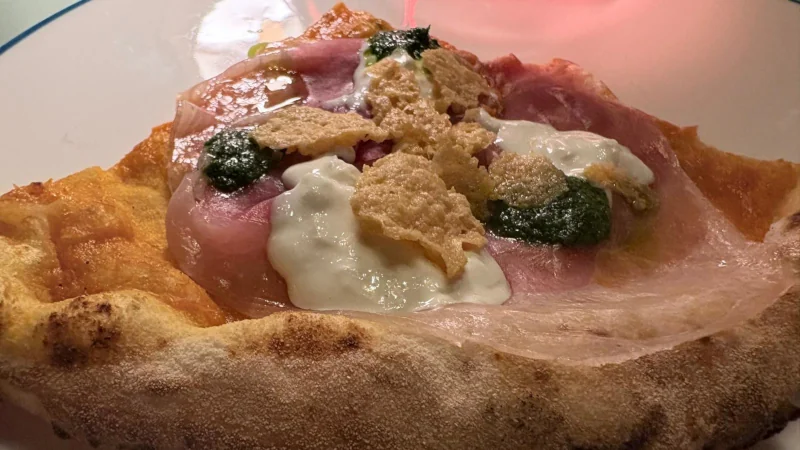
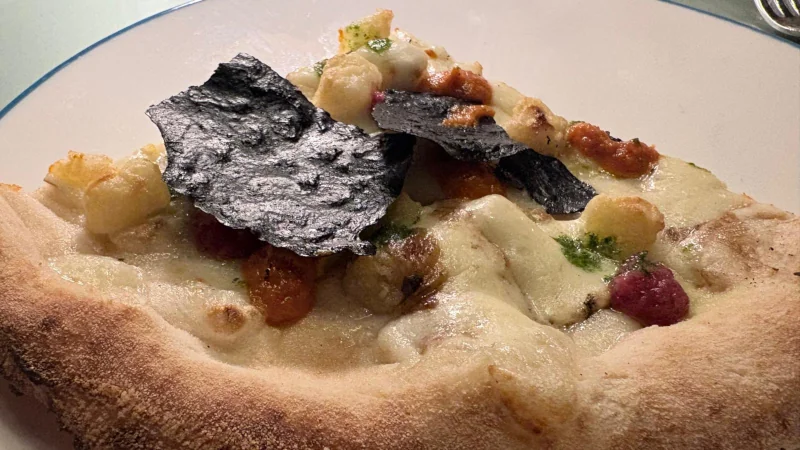
“Vico’s pizza starts from Neapolitan and Italian tradition,” Ciro explains, “but it also looks toward research, modernity and a vision of what pizza and baking can become. We don’t only make the classic Neapolitan Margherita. We experiment with doughs, baking techniques, creams, crunchy textures through chips, wafers and different preparations.”
The result is a menu that embraces creativity without sacrificing substance. Pizzas designed with balance, where every element interacts with the others to create a coherent and complete experience. A philosophy reflected as well in the selection of ingredients, approached with an almost artisanal mindset.
“Raw materials are essential,” Ciro says. “We look for unique products, Slow Food ingredients and, whenever possible, local products from Lazio. Even though some iconic ingredients, like tomatoes, still come from Campania and Southern Italy.”
What stands out most in Ciro’s vision, however, is his relationship with the customer. More than compliments, the real satisfaction comes when guests understand the hidden work behind a pizza or a fried specialty.
“The greatest compliment is when a dialogue starts with the customer and they truly perceive the techniques or products I wanted to express,” he explains. “Once a guest noticed that our crocchè had no breading at all. For me, that was one of the best compliments I could receive.”
This attention to detail also becomes almost educational when Ciro explains how to recognize a properly made pizza. According to him, it begins visually: the baking must be even, the color balanced, the leopard spotting present but never excessive or burnt. Above all, there must be harmony. “All the elements must blend together,” he says. “Tomato, mozzarella, olive oil — each ingredient should remain recognizable while contributing to a single, unified dish.”
And while Vico continues building its identity between experimentation and technique, there is always space for Rome itself. Every seasonal menu, in fact, includes at least one pizza inspired by Roman culinary tradition. The next creation will be “Pecora Nera”: lamb, potatoes, celery, carrots and onion, inspired by the traditional Roman Easter lamb roast. “A tribute to Rome,” Ciro concludes. “There will always be a tribute to this city in my menus.”