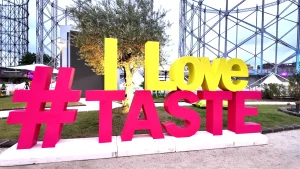
From 24 to 27 September, the historic centre of the Umbrian city hosts the 27th edition of the festival dedicated to Italian first courses. Eleven Villages of Taste and more than 70 events turn pasta, regional recipes and traditions into a journey across Italy.
Some dishes tell the story of a place before they are even tasted. Hand-rolled pasta, a filling, a sauce, even the shape chosen to hold a condiment can become a kind of edible map. It is from this idea that, from 24 to 27 September, Foligno once again builds the story of I Primi d’Italia, the national festival dedicated to one of the most recognisable elements of Italian cuisine.
Now in its 27th edition, the event was founded in 1999 and over the years has become one of Italy’s longest-running festivals devoted to first courses. Its figures reflect significant growth: the most recent edition welcomed 106,000 visitors, while more than 200 companies and 60 chefs have taken part over the years.
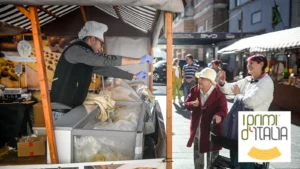
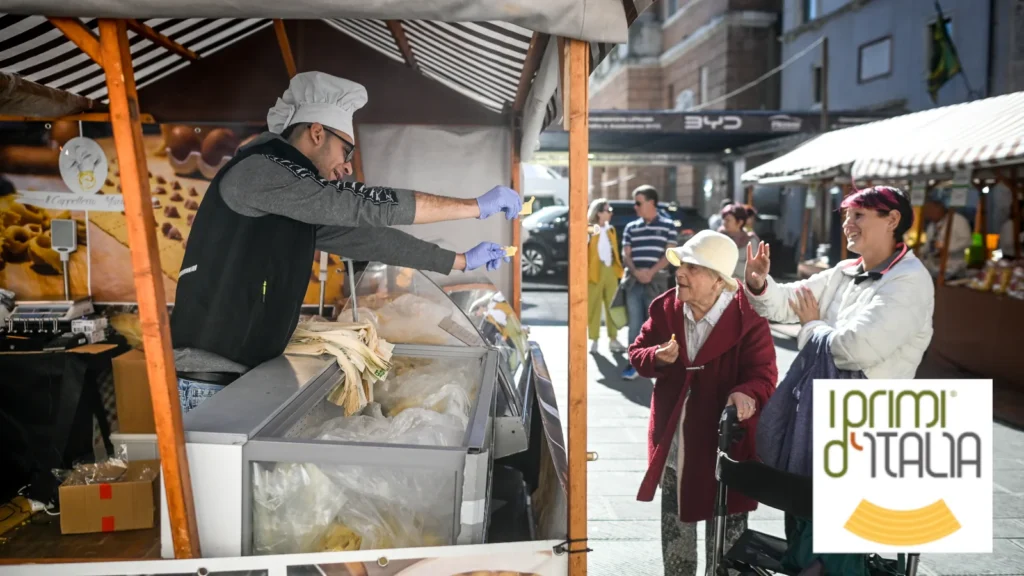
Perhaps the most interesting aspect, however, is another one: for four days, Foligno’s historic centre changes pace and becomes a widespread gastronomic itinerary, in which the city is not simply the setting for the event but an integral part of the experience.
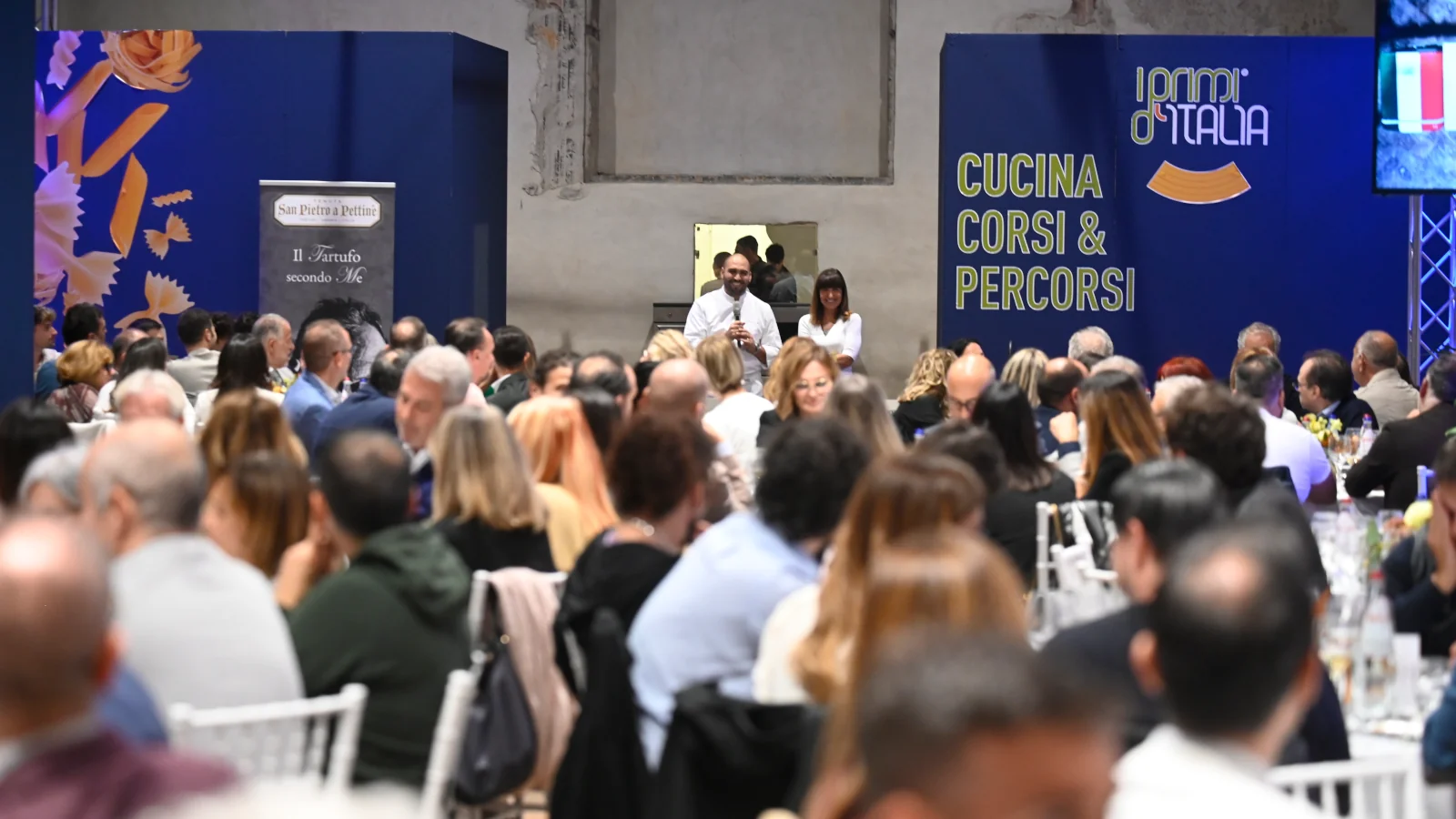
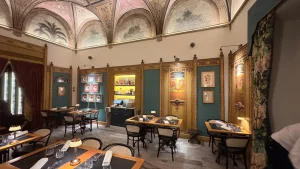
Once again, the heart of the festival will be the taverns of the Rioni della Quintana, transformed for the occasion into Villages of Taste. Eleven tasting spaces will guide visitors through recipes and traditions from different regions of Italy: from Mantuan tortelli to Umbrian classics, from Romagna cuisine to Sicilian specialities, as well as seafood, mountain dishes and recipes in which truffle takes centre stage.
It is a formula that captures one of the most compelling aspects of the event: using the first course as a way of telling the story of Italy’s gastronomic diversity. Not a single, uniform national cuisine, but a mosaic of local identities, ingredients, techniques and family memories that can change within just a few kilometres.
In this respect, Foligno provides a particularly fitting setting. The Umbrian city maintains a strong connection with its history and with an urban fabric that allows visitors to experience the festival simply by walking through squares, historic buildings, taverns and the streets of the old town. Food therefore also becomes an opportunity to discover the territory at a different pace, combining tastings with urban trekking routes designed to introduce visitors to the city’s historical and cultural heritage.
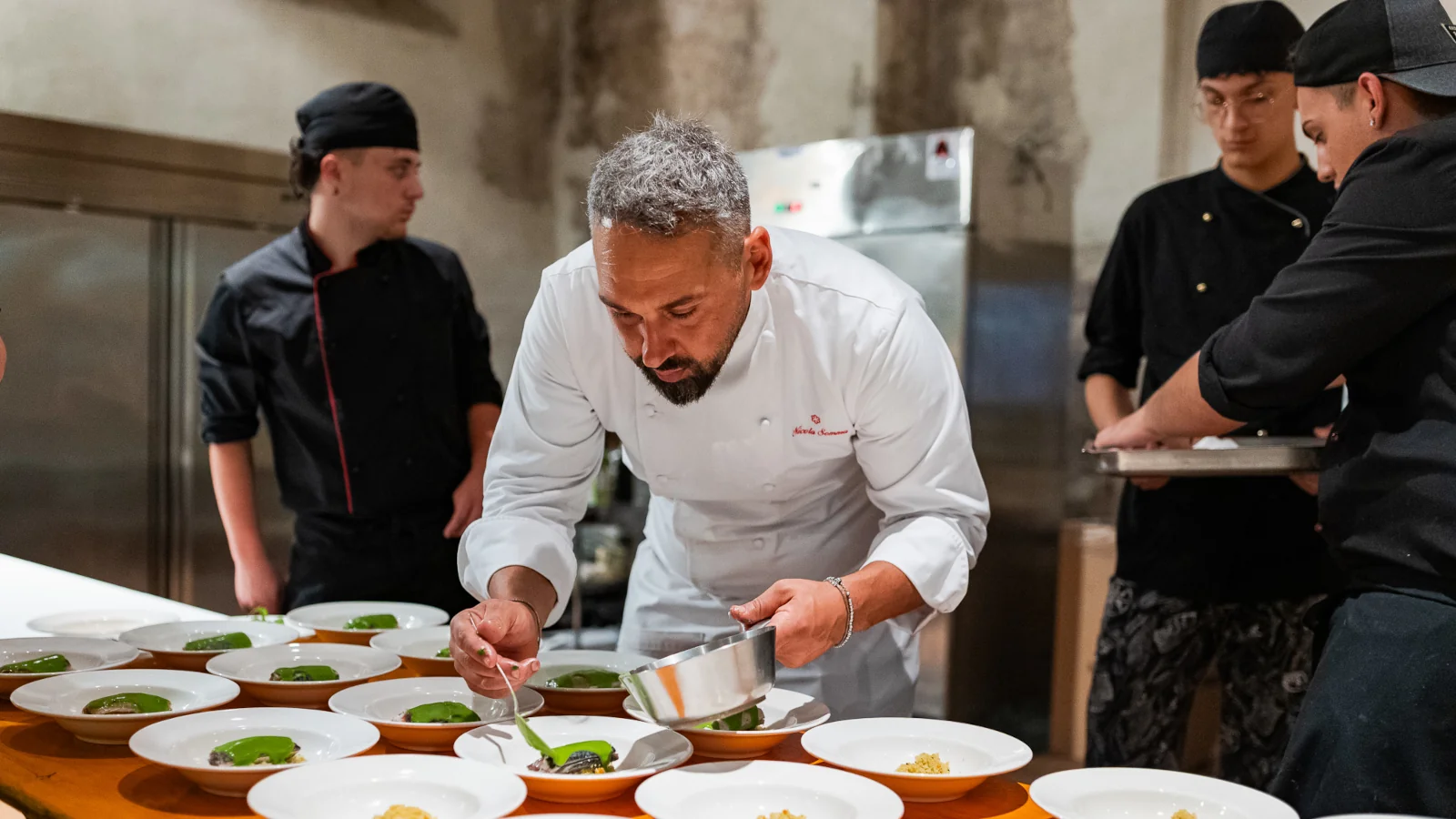
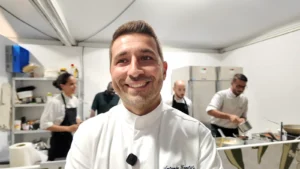
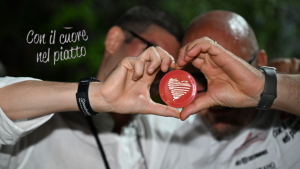
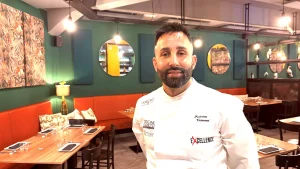
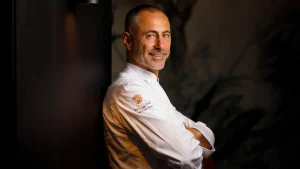
The festival also seeks to create a dialogue between tradition and contemporary cuisine. Among the main events, A Tavola con le Stelle returns with Maurizio Serva of La Trota, Giuseppe Iannotti of Kresios, Mirko Marcelli of Osmosi and Domenico Candela of George Restaurant. Four different interpretations of fine dining, each engaging with recipes, ingredients and gastronomic memory.
Alongside signature cuisine, the focus on pasta and traditional preparations remains central. Cooking shows, tastings and workshops dedicated to fresh pasta and different pasta shapes will give visitors the opportunity to explore the gestures and techniques that come before the finished dish. The La Pasta della Nonna workshop, for example, will focus on pici, tagliatelle and orecchiette: three different expressions of a culinary culture that continues to survive above all through craftsmanship and manual skill.
The festival’s permanent spaces will follow the same approach. The Boutique della Pasta will showcase Italian artisanal pasta, while the Atelier del Gusto will bring together certified products from different parts of the country. There will also be experiences dedicated to plant-based cuisine, gluten-free options and historical interpretations of medieval cooking.
Culture remains part of the programme, without shifting the focus away from gastronomy. Exhibitions, meetings with authors and guided tours will help present food as cultural heritage, linking culinary traditions, history and craftsmanship.
For Foligno, I Primi d’Italia has by now become an event capable of attracting tens of thousands of visitors and transforming the city centre, for several days, into one large shared dining table. Local institutions have long highlighted the festival’s tourism and economic value, but its most interesting feature remains its ability to bring together two elements that are too often treated separately: cuisine and the place in which that cuisine is experienced and narrated.
This is probably the key to understanding the 2026 edition. Not simply a festival dedicated to pasta or celebrated chefs, but a journey through recipes that belong to everyday Italian life and that, precisely because of their apparent simplicity, continue to tell the stories of places, families and communities.
From 24 to 27 September, in Foligno, the first course once again becomes something more than just a course: it becomes a way of travelling across Italy without leaving the table.