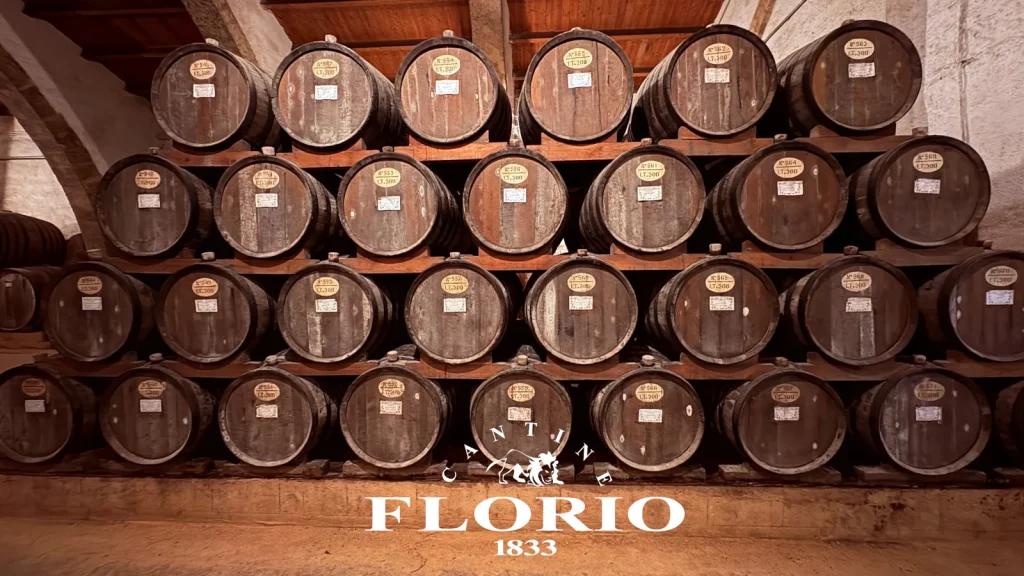
There are wineries where wine is not just produced, but takes shape as a narrative. Cantine Florio is one of them. Walking through its aisles means stepping into a story that does not live only in dates or history books, but unfolds step by step, among casks, aromas, and details that add depth to a wine too often simplified.
Because Marsala, here, is never a fixed concept. It is a wine born from the meeting of tradition and intuition, of territory and distant markets. A wine that, from the very beginning, has dialogued with international taste, adapting without losing its identity. It is no coincidence that for a long time it was associated with Port, Sherry, and Madeira—different worlds, yet connected by a shared logic of production.
And yet, within this history, there are less visible layers. Alongside the more familiar Marsala, there were other wines—more reserved, tied to private consumption, meant for a limited circle. A stratification that reflects the complexity of the territory and that today helps us better understand what Marsala has been—and what it can become.
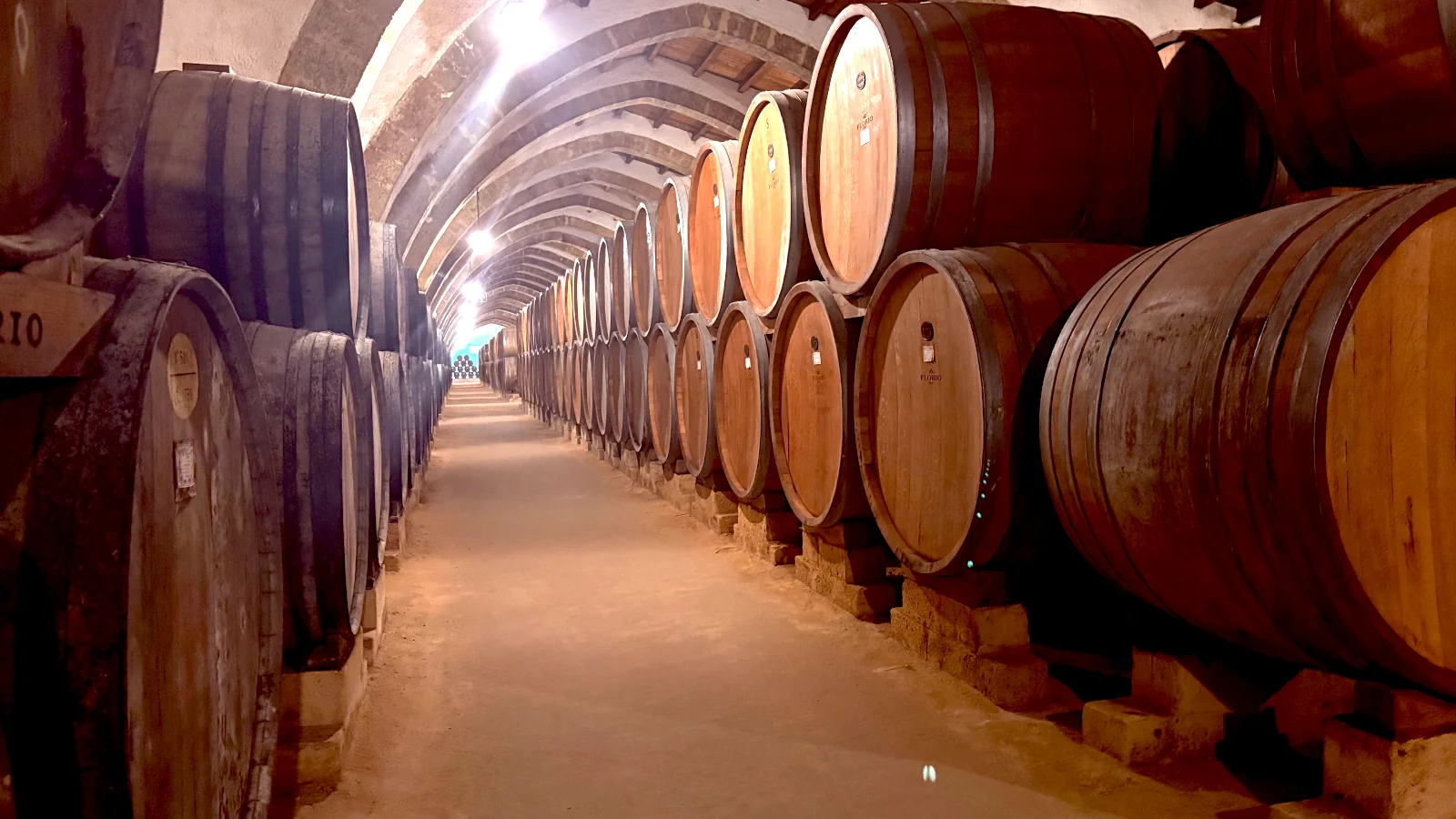
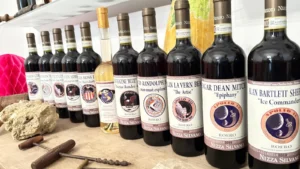
Florio starts precisely from this point. It transforms this complexity into an experience, building a journey that goes beyond tasting and becomes storytelling. The winery presents itself as a true “liquid gallery,” where each cask holds a nuance, each vintage offers a different interpretation, and each label becomes a fragment of a larger narrative.
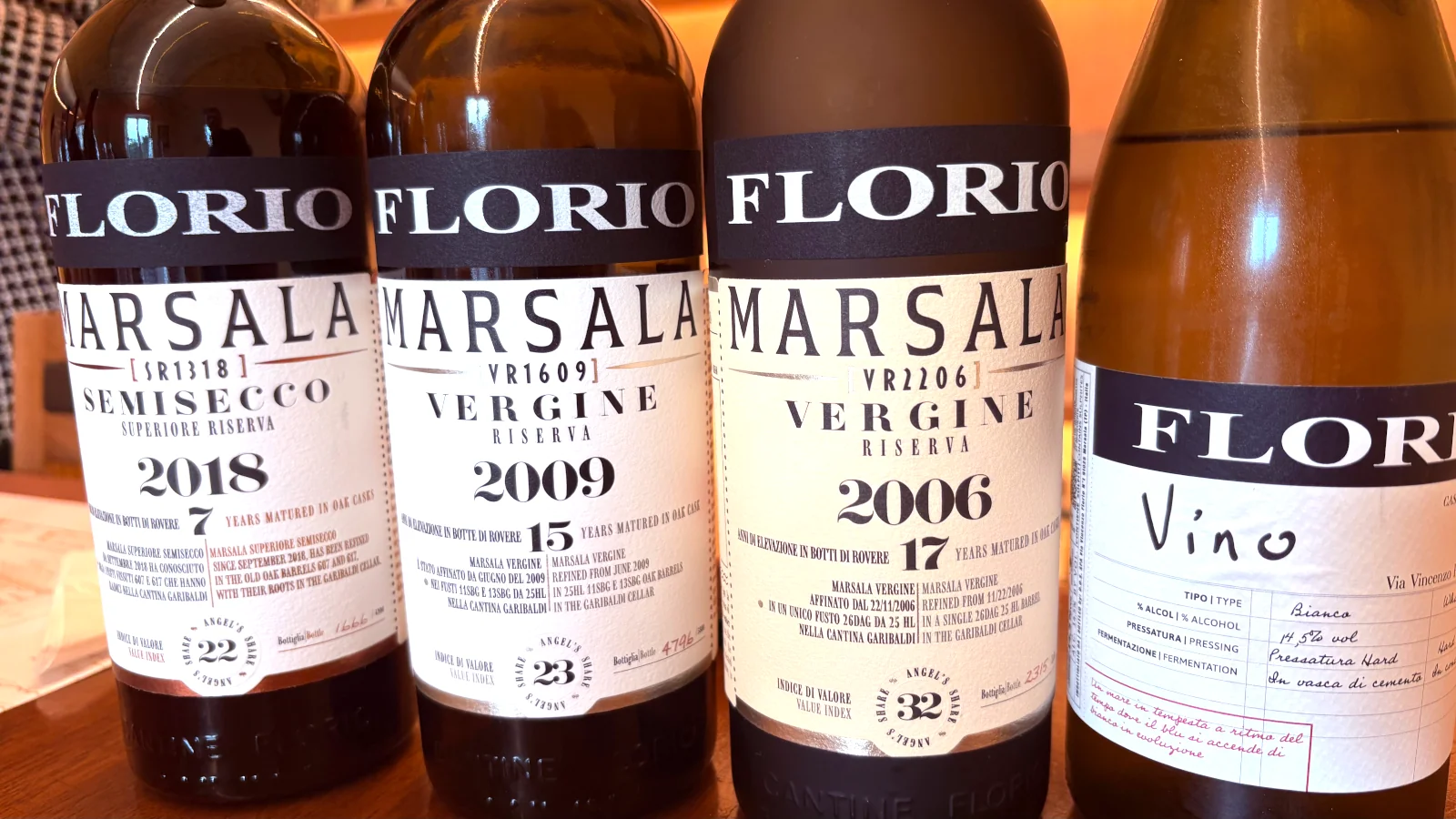
The experience unfolds in stages. It often begins with the more immediate expressions, allowing for a first approach, before moving toward Marsala Vergine. A dry, essential wine that surprises those still linked to a sweeter, simplified idea of Marsala. A style that offers a different perspective, closer to its original function.
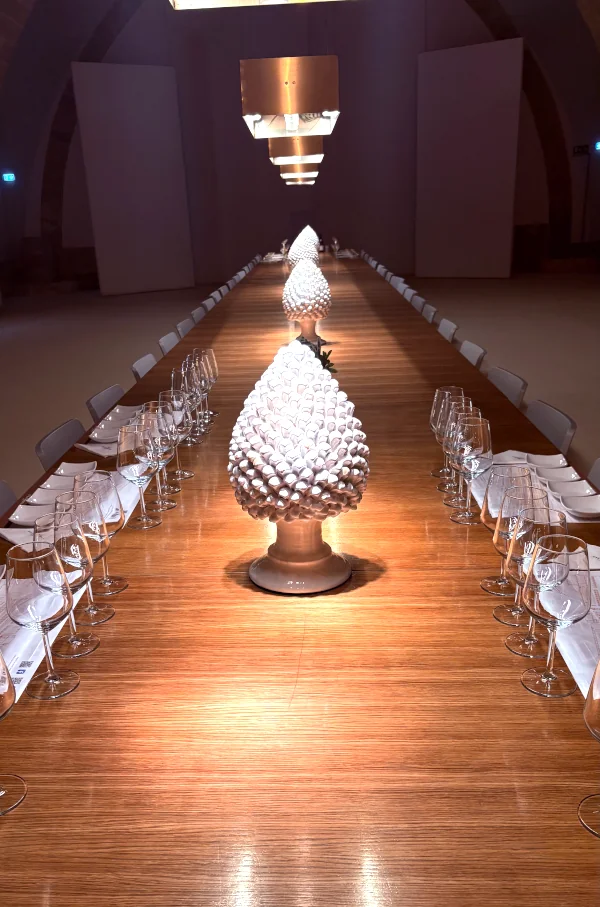 Then there is the more familiar Marsala, the one that connects with a wider audience. Not a final destination, but a gateway. A passage that helps guide the consumer toward a deeper understanding, without forcing it. Over time, more than the wine itself, it is the way people approach it that has changed.
Today, audiences are more curious, more attentive, less tied to rigid patterns. People no longer seek just a product, but the experience around it. And in this sense, Florio has become a destination capable of telling the story of Marsala in a direct, accessible, yet never superficial way.
This shift is also reflected in its visitors. The average age has lowered, with younger generations showing increasing interest. Not alone, but often alongside families and enthusiasts, in a generational dialogue that makes the discovery even more meaningful.
In this journey, food pairing also plays a decisive role. Matching Marsala with unexpected dishes—especially seafood—helps break established patterns and reveals a more contemporary dimension of the wine. It is often here that the real surprise happens.
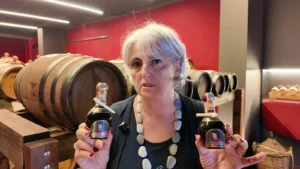
And then there is the visual impact. Florio’s cellars, among the largest at sea level, house thousands of casks and millions of liters aging. A striking view that alone conveys the scale of this world and the fascination it continues to inspire.
Through all this, one element remains constant: movement. Florio is a dynamic reality, continuously evolving, refining its ability to communicate, to engage, to open new paths—without ever losing its connection to its own history.
Because, in the end, Marsala is not just a wine to be explained.
It is a story to be experienced.