Ah! Idioms and typical expressions of everyday language — those phrases we use all the time to express surprise, outrage, appreciation or, very often, simply to stir up a bit of healthy debate! Let’s admit it: without certain expressions, it would be much harder to convey what we really want to say.
Personally, I’m fascinated by the origins of these common sayings, and I thought it would be nice to share with you the story behind one of them. For example, why in Italian we say “piantare in asso” when we suddenly abandon someone somewhere without a word, or when we tell someone they have “la coda di paglia.”
But since we are on a website called Bordolese.it, why not look at an expression whose origin is linked to the very core subject of this site: wine and food?
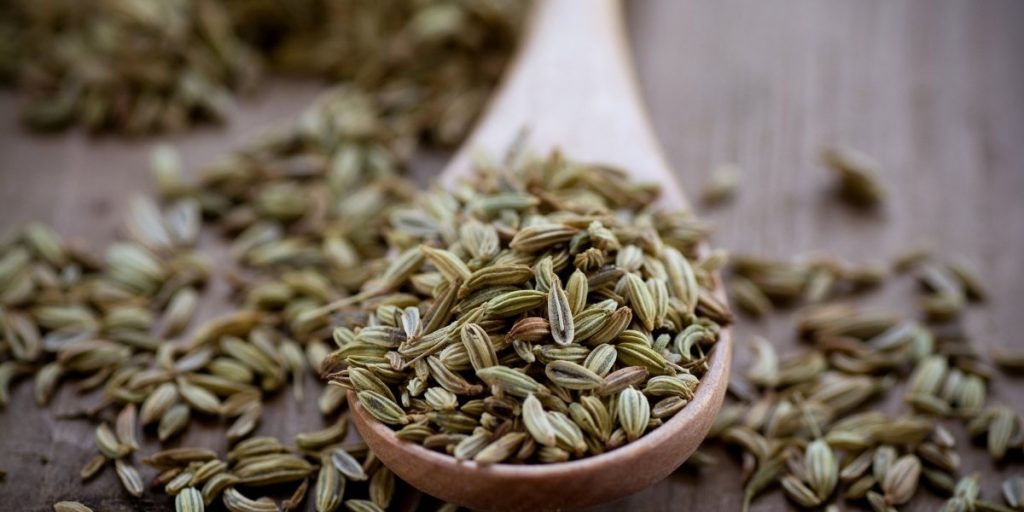
The expression in question is “infinocchiare” (or “farsi infinocchiare” if you are the victim). It’s a phrase we have all used at least once to describe the act of deceiving or tricking someone. But why exactly fennel?
I must say, the answer surprised me.
Apparently, in the Middle Ages, in central Italy, innkeepers, restaurateurs and even winemakers could not afford to throw away food that was no longer fresh or, in the case of wine, of poor quality. To soften the unpleasant taste of food that had lost its freshness — especially meat — and to mask the flavor of wine that was not particularly drinkable or well made, tavern owners used to serve fennel seeds alongside the dishes or incorporate them as seasoning.
The reason is simple: fennel, particularly its seeds, is an aromatic plant capable not only of masking unpleasant smells from food and drink, but also of altering the taste of what we perceive on the palate. It often enriches the flavor of dishes, making food that is no longer fresh taste much more appealing and terrible wines seem far more interesting and refined.
The paradox is that fennel is also one of the best natural remedies for cramps caused by food poisoning. As a result, the people who had been “infinocchiati” often didn’t even suffer the unpleasant consequences of what they had eaten or drunk.
Now I don’t know about you, but since I discovered this story — and thinking back to all the times my grandmother prepared arista with fennel seeds for me when I was a child — well, I must admit… I’ve started looking at her with just a little more suspicion!