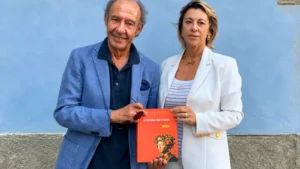

A guide that continues to evolve, capable of surprising and narrating Italian wine through an accessible and authentic language. This is how the Essential Guide to Italian Wines 2026, signed by Daniele Cernilli, alias DoctorWine, presents itself — unveiled in recent days amid enthusiasm, reflection, and a renewed commitment to sustainability.
“Every year we change at least 20% of the wineries and wines included,” says Cernilli. “Our selections come exclusively from tastings — from what we truly enjoy. But it’s not just about scores: the guide has a narrative soul. Every producer has their own story, their territory, their face.”
One of the most appreciated qualities of DoctorWine’s guide is its ability to speak to a wide audience, from beginners to seasoned wine lovers. “It’s a guide that you can really read,” Cernilli emphasizes. “It’s not overly technical or filled with jargon. Even those who aren’t wine experts can understand and get passionate about it, because each winery is described in its human dimension, not just through technical data.”
This approach makes the guide a useful tool for younger generations as well, offering an entryway into the world of wine that blends knowledge and curiosity.
The 2026 edition also highlights a strong connection with wine tourism, now an integral part of Italy’s wine narrative. Many of the featured wineries offer hospitality, dining, and direct sales, turning a visit into a complete experience. “It’s a way to live wine — not just to know which one is the best,” Cernilli explains. “Wine tourism is an opportunity to get closer to territories and producers, to truly immerse oneself in the world of wine with all the senses.”
When asked about the current state of the wine industry, Cernilli doesn’t hide the challenges. “After the pandemic, wars and global crises have created many difficulties, especially for exports. And then there are misleading messages: people saying wine is harmful or that appellations are meaningless certainly don’t help a sector that represents both culture and work.”
Despite these obstacles, his outlook remains positive — especially with the rise of new and promising wine regions. “I’m glad to see that Lazio is also growing,” adds Cernilli. “As a Roman, I can only be proud of that.”
The Essential Guide 2026 thus reaffirms itself not only as a selection tool, but as a true narrative of contemporary Italian wine: dynamic, inclusive, and deeply rooted in its territories. Once again, it invites readers to discover, read, and taste — with curiosity and respect for those who, every day, turn the land into culture.