At Easter, more than half of the lamb meat comes from abroad. Every year, during the Easter period, over 550,000 lambs reach the Italian market. But more than half – about 300,000 – comes from abroad, often without guarantees regarding origin, animal welfare, or quality.
These animals, raised under poorly controlled conditions, end up on our plates at lower prices, up to 40% less than certified Italian products. The local supply chain, such as that of the “Abbacchio Romano IGP,” suffers the consequences. Today, it produces around 35,000 animals per year, a sharp decline compared to the 120,000 of a few years ago. This decrease is due to many farmers abandoning the activity and competition from non-certified products.
The price of IGP-certified products is higher because producing certified meat involves greater costs: the farmers of the Consortium raise the animals outdoors, in protected pastures, following traditional and respectful practices. This results in higher expenses for protection, inspections, and sustainability, all reflected in the final price.
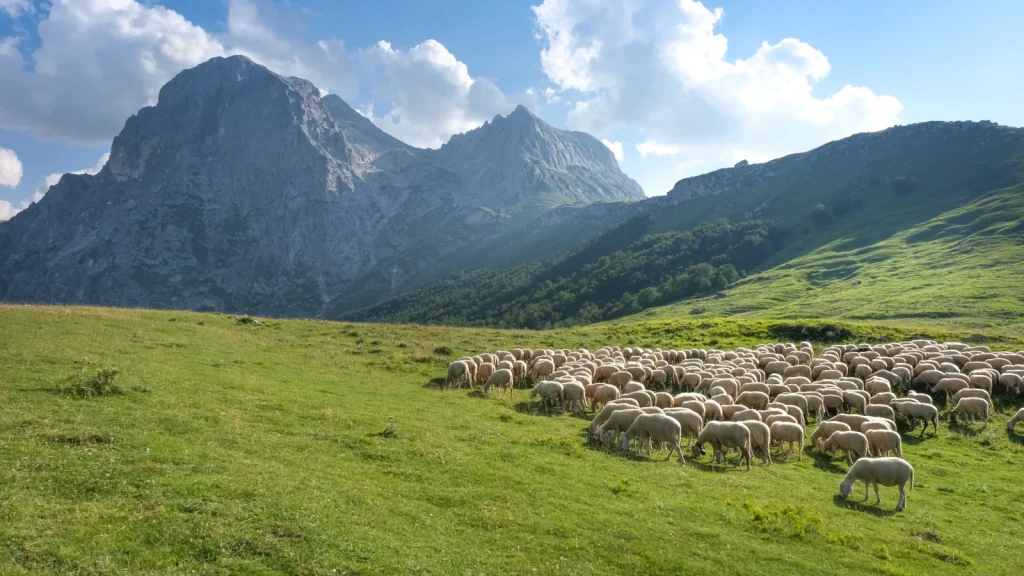
“Abbacchio Romano IGP” is raised according to ancient methods, such as transhumance (recognized as UNESCO intangible heritage), the seasonal movement of flocks between plains and mountains. The animals feed on maternal milk and wild plants from the Lazio countryside.
The result is tender, flavorful, and healthy meat, the fruit of ethical and sustainable farming. It is therefore a product of excellence, an expression of a community, a territory, and its traditions.