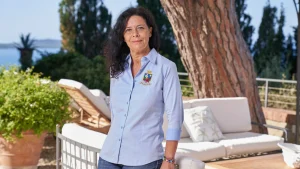
Italian wine tourism probably has the greatest potential in the world. Yet, according to Donatella Cinelli Colombini, one of the leading figures behind the development and promotion of this model in Italy, the country is still only at the beginning of a journey that requires new skills, stronger networks, and, above all, a shift in mindset.
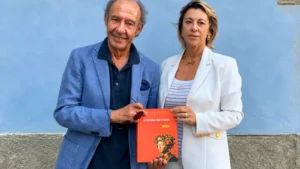
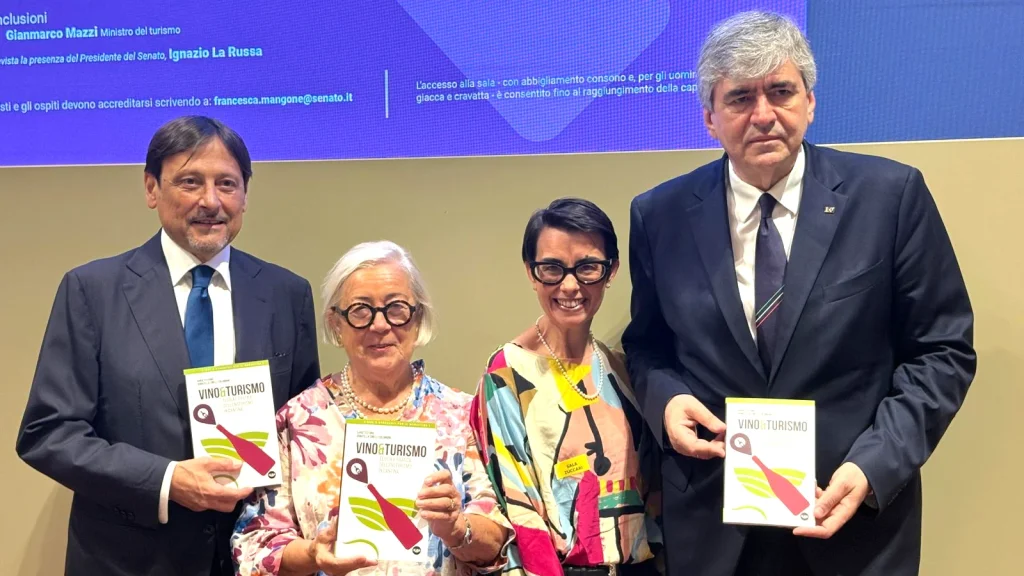
These reflections emerged during the presentation of Wine Tourism. A Manual for Destination Development and Hospitality, written by Donatella Cinelli Colombini together with Dario Stefàno. More than a simple book, it is conceived as a practical guide for anyone seeking to understand and develop the wine tourism sector.
One year after the latest edition of the observatory dedicated to wine tourism, the outlook appears encouraging. According to Donatella, awareness is growing among both institutions and wine producers regarding the economic and strategic value of hospitality. Experiences are becoming more diversified, and wineries are increasingly viewing tourism not as a secondary activity but as a key commercial and branding channel.
The real challenge, however, is cultural.
“Our competitors are not the wineries next door,” Cinelli Colombini emphasizes. Competition now takes place on a global scale. Champagne, California, New Zealand, Rioja, and every major wine destination around the world are competing for the same visitor.
And yet Italy possesses resources that no other country can offer all at once.
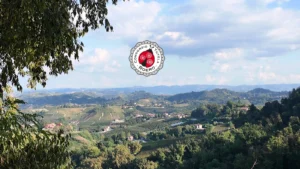
More than 500 native grape varieties, extraordinarily diverse landscapes, wineries ranging from Etruscan caves to Apulian trulli, from Palladian villas to contemporary architectural masterpieces. Added to this are an unparalleled gastronomic heritage and a distinctive feature that continues to make a difference: in many wineries, visitors are still welcomed by the owners themselves.
For international travelers, this human connection represents tremendous emotional value.
“It goes straight to the heart,” explains Cinelli Colombini, because it creates a personal bond and a level of loyalty that is difficult to replicate elsewhere.
This is precisely why the new manual adopts a strongly practical approach. Its goal is not merely to transfer knowledge but to provide tools for building competitive and sustainable tourism offerings. The same philosophy will underpin the new educational program promoted by CESEO, which aims to train specialized wine tourism professionals through a high-level academic course officially recognized by regional authorities.
Training emerged as one of the key themes of the discussion. Because while wine is produced in the cellar, a tourism experience must be designed long before the visitor arrives. This leads to perhaps the most interesting concept highlighted during the event: in wine tourism, one must learn to think about sales before production.
It may sound provocative in the wine world, but it perfectly describes the logic of tourism. When a winery attends an international tourism fair, it is often selling an experience that has yet to be fully created. This is a completely different approach from selling wine and requires dedicated expertise.
New professional figures are needed—people capable of connecting wineries, hospitality operators, artisans, museums, restaurants, and transportation services into a coherent network. The goal is to create a comprehensive and accessible offer that accompanies visitors throughout their journey.
This is where one of Italy’s major weaknesses becomes evident: mobility.
For many foreign visitors, reaching wine regions and moving from one winery to another remains difficult and expensive. In some cases, ground transportation costs more than the international flight itself. This represents a significant obstacle to the growth of a sector with enormous potential.
According to Cinelli Colombini, part of the solution lies in digital innovation. New tools are needed to connect public and private transportation systems, simplify booking processes, and create truly integrated territorial networks.
Because wine tourists bring much more than direct revenue. They purchase more bottles, discover labels that are difficult to find in their home countries, and often become the first link in a commercial relationship that may later develop into export opportunities.
Viewed from this perspective, wine tourism is no longer simply a hospitality activity; it becomes a strategic driver for the entire wine industry.
The message emerging from the work of Dario Stefàno and Donatella Cinelli Colombini is clear: Italy possesses all the resources needed to become the world’s leading wine tourism destination. But transforming this potential into tangible value requires vision, expertise, and the ability to work together.
In other words, it means learning to tell the story of wine not only through what is in the glass, but through everything that surrounds it.