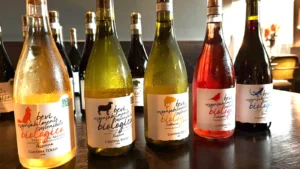
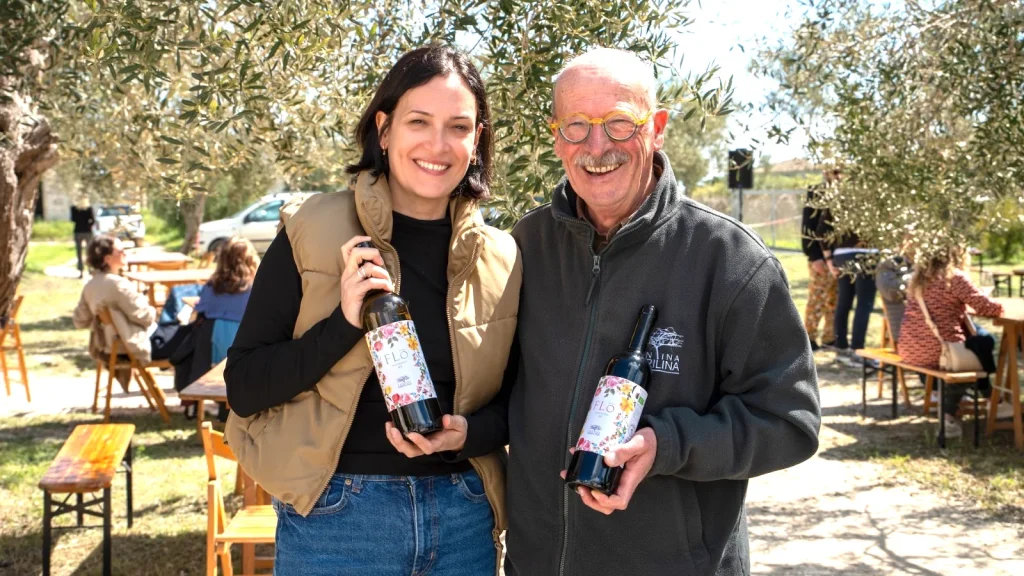
In the increasingly heated debate around low-alcohol wines, the point is no longer just how much alcohol is in the glass, but how it gets there. It is along this line that the work of Cantina Marilina takes shape. At Vinitaly, the winery presents two new labels from the Flo line, both at 9.5% ABV, crafted without resorting to dealcoholization.
A choice that, even before being technical, is clearly agricultural in nature.
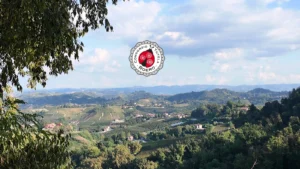
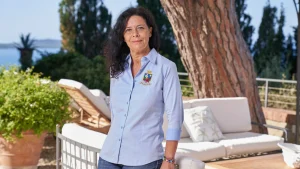
To fully understand it, one must go back to the origins of the winery. The project began in the early 2000s, when Angelo Paternò—after a long career as an oenologist in various Italian wineries—decided to return to Sicily and build something of his own between Noto and Pachino, in a landscape shaped by light, wind, and proximity to the sea. Here, a family-run estate took form, placing native grape varieties and a coherent agricultural vision at its core from the very beginning, where organic farming is not an adjustment but a premise.
Today, around 80% of the vineyards are dedicated to local varieties—Grecanico, Moscato di Noto, Catarratto mantellato, and Nero d’Avola—within an ongoing effort to restore biodiversity and select estate-specific biotypes. It is within this framework that the Flo project fits, not as a deviation but as a coherent extension of the same idea of wine.
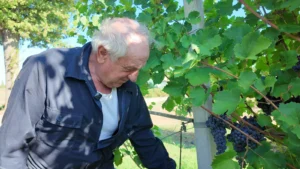
The winery has chosen to work upstream, intervening directly in the vineyard: longer pruning, a higher yield per plant, increased production levels (while remaining below 80 quintals per hectare), and earlier harvests. The result is a lower alcohol profile achieved without corrective processes in the cellar. Vinification remains essential, with short macerations and the use of concrete, avoiding any forced interventions.
This represents a clear stance in contrast to part of the market that looks to dealcoholization as a technological solution. Here, the direction is the opposite: not to remove, but to arrive earlier.
It is no coincidence that the origin of these wines is also tied to an agricultural contingency: some recent vintages naturally resulted in lower alcohol levels, prompting the winery to enhance this outcome rather than correct it. From this comes the idea of structuring a line that today meets a market demand, without betraying the production philosophy.
The two labels move within this framework.
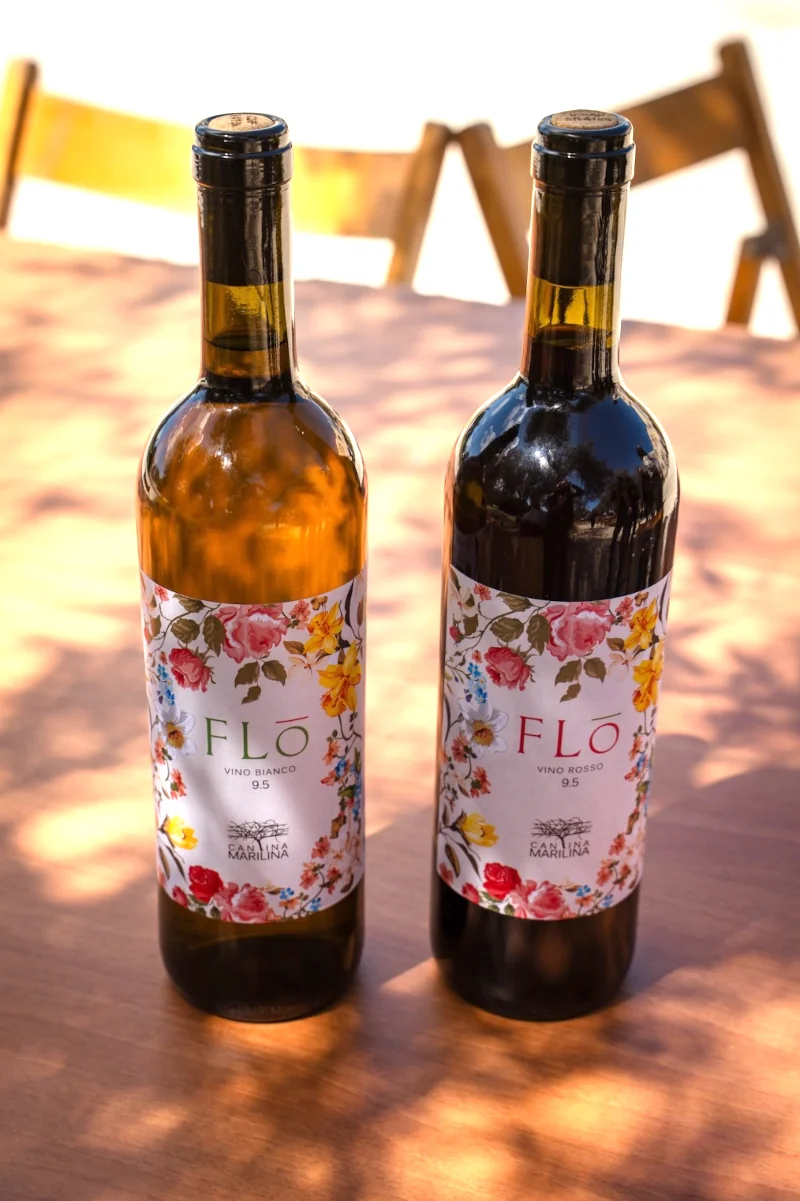 Flo Bianco, made from Catarratto mantellato, also stems from a varietal recovery effort carried out by the estate, which selected genetic material from old vineyards for replanting. The aromatic profile is subtle: white peach, linden flowers, lemon apple, a hint of unripe plum, and a saline note. On the palate it is direct, fresh, with a clear sapidity that accompanies an agile sip, without seeking forced length.
Flo Rosso, from Nero d’Avola, follows a different yet coherent path. The nose evokes blood orange, hibiscus, and a still-evolving vinous-spicy component. The palate is dry, with present tannins not yet fully resolved—partly due to the short time in bottle—supported by good freshness and a savory finish.
Rather than chasing a category, these two wines seem to question the way that category is taking shape. The issue is not so much adhering to the low-alcohol trend, but redefining its boundaries through agronomic practices and a certain idea of production coherence.
In this sense, the decision to exclude dealcoholization is not merely stylistic. It is also an environmental stance: avoiding processes with high energy and water consumption helps maintain continuity between what happens in the vineyard and what ends up in the glass. The result is wines that are light in alcohol, but not in intent—and above all, wines that do not seek shortcuts.