Some wineries are born as business ventures, and then there are those that are a true intertwining of lives, hands, and generations. Poggio Le Volpi definitely belongs to the latter.
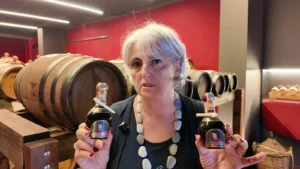
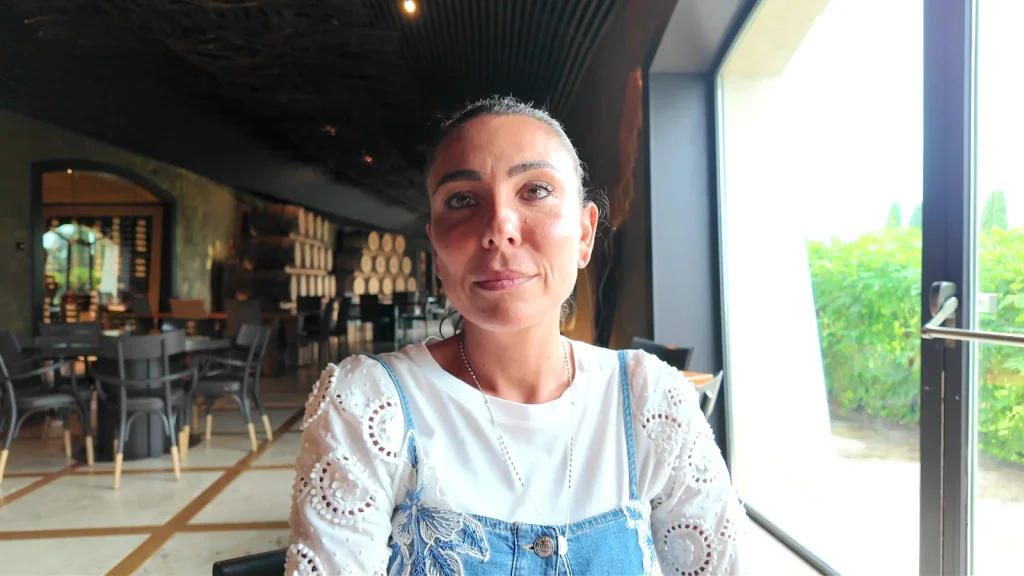
Rossella Macchia tells us the story with great enthusiasm, going back to the early days, when great-grandfather Mergè loaded small barrels of wine onto a cart and made his way down to Rome, along Via Prenestina and Via Casilina, passing the customs checkpoints of the time. Back then, wine was food, not pleasure: it was sold in bulk to taverns, poured directly from the casks, and at the end of deliveries, the ritual sip from the spout was a must. That, says Rossella, is where the name “Cannellino” comes from—the sweet Frascati wine that still carries a piece of that tradition today.
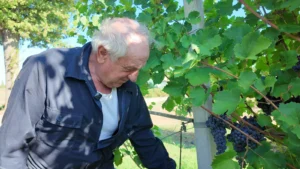
But talking with Rossella is never (only) about wine. The conversation drifts through family memories, the foxes still roaming the vineyards, the wild boars wandering nearby, all those details that make a territory come alive. “Wine is craftsmanship, it’s art in the broadest sense of the word,” she explains. “Not just knowledge, but also intuition. It’s the work of human hands—women and men in the vineyard, listening to the vine, tasting the berries, understanding the right moment. Without that, what we find in the glass wouldn’t exist.”
The heart of the winery remains in Monte Porzio Catone, between the Frascati and Roma appellations, but the vision is broader: Lazio, of course, but also Puglia with Masseria del Tacco. Always with the same idea: the winemaker is not a chemist, yet the lab is essential—knowing the pH, the acidity, the key parameters means respecting the wine, not altering it.
And then there are the iconic bottles, like Donna Luce, the result of years of choices and details that go far beyond the wine itself: a label that can resist the ice bucket, the right cork, the perfect paper stock. Because in the end, packaging too is part of the storytelling.
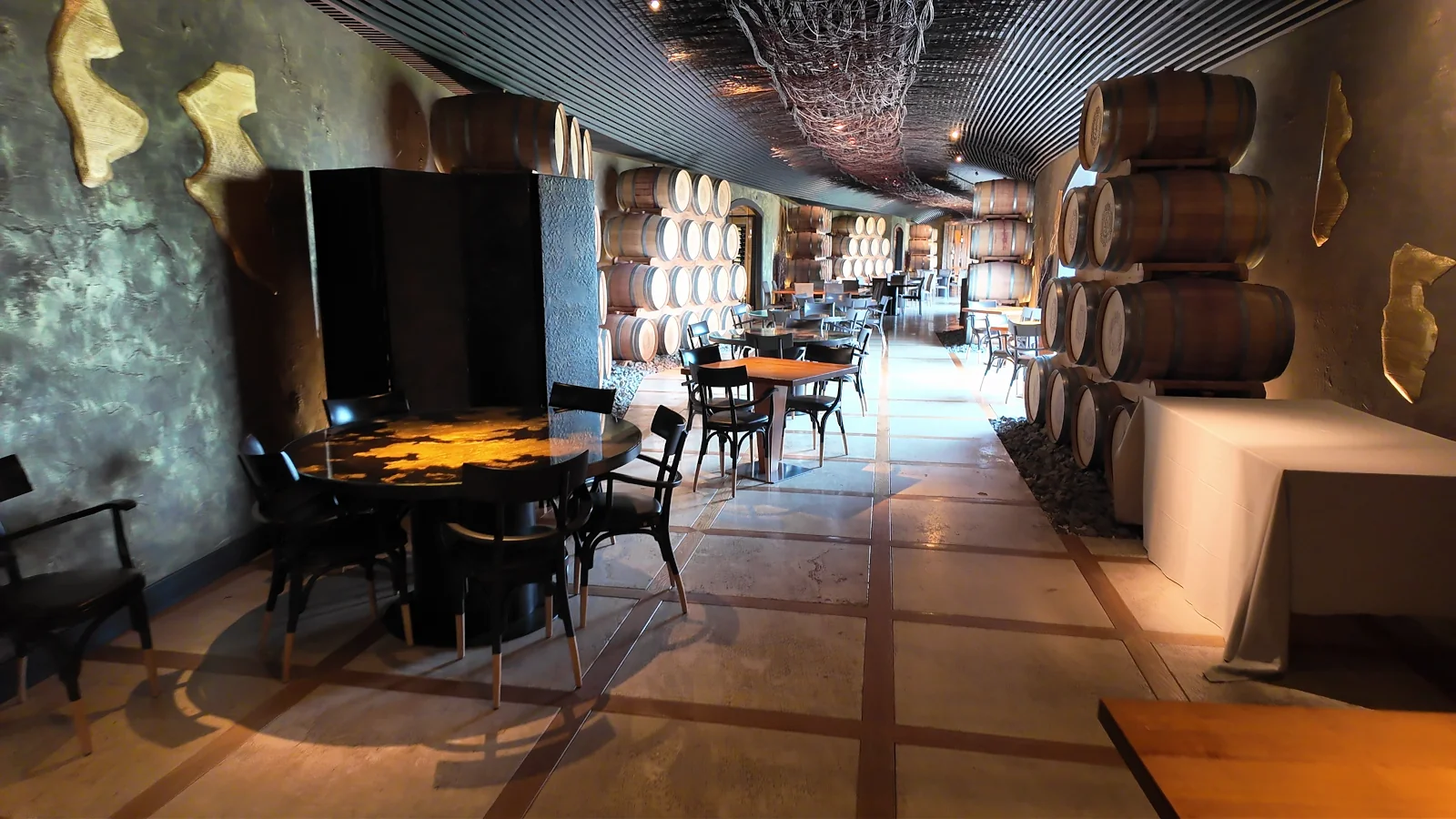
But Poggio Le Volpi is more than a winery. It’s also about hospitality, about the experience at the table. After almost two years, the restaurant is reopening: lunch and dinner from Tuesday to Saturday, lunch only on Sundays. “For us,” Rossella says, “it’s not about just serving good food—you can do that at home. Here, we want our guests to live an experience, to feel welcomed, cared for, enriched by the story that ties each dish to its glass of wine.”
And so yes, more than buying a bottle, it might really be worth coming here: sitting at a table, listening to a story that smells of vineyards and family, and taking home an experience that lingers.