Italian wine, until recently, seemed to be living a golden age: record-breaking numbers, growing exports, and an image full of smiles, toasts, and conviviality. Then something cracked. Or rather, a series of blows came together which, when combined, dimmed that light a bit…
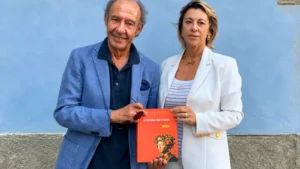
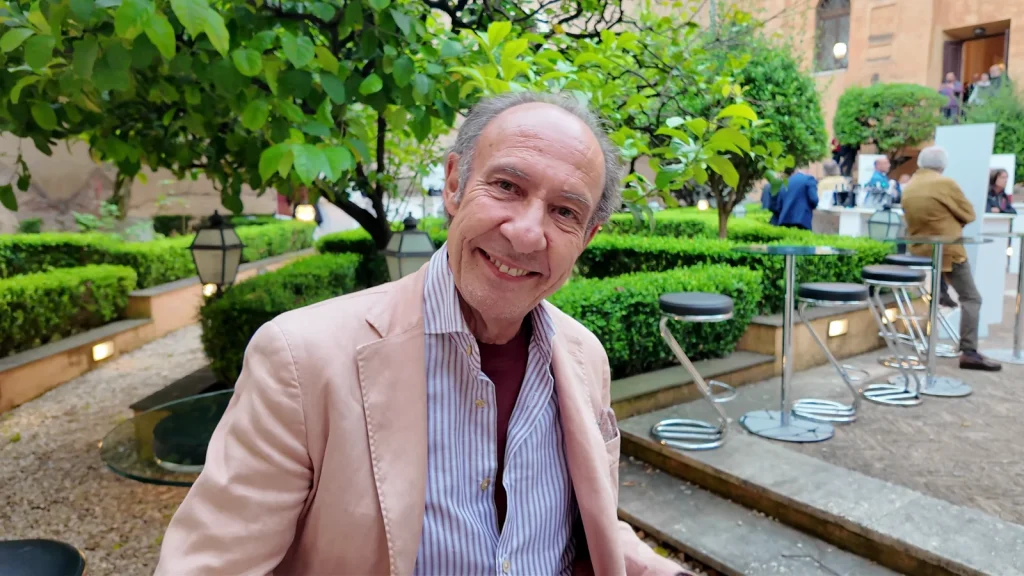
Antonio Paolini, an experienced journalist and authoritative voice in the world of food and wine, tells the story with the tone of someone who knows this world well, but hasn’t lost the will to criticize it when necessary. “We found ourselves in a Fantozzi-style storm,” he says. “A series of shocks all at once, some not directly related to wine, but that hit the wine world like a head-on collision”.
It all began with the confusion surrounding the new Highway Code: hastily written rules, poorly interpreted, and quickly turned into a simplified narrative where anyone who drinks is automatically suspect. The point, Paolini says, isn’t to justify drunk driving. But nor should we portray wine as some absolute evil. “Only 16% of serious accidents are linked to alcohol. There are far worse causes, but it’s easier to blame the glass than speeding or poorly maintained roads”.
Meanwhile, the conversation around health has taken a radical turn. Wine, like anything else, can be harmful. But telling that story in isolation—without context, without discussing lifestyle, quantity, or conditions—is an oversimplification that helps no one. “It’s like saying city air is bad, so everyone should move out of urban centers. It just doesn’t work that way”.
Then there’s the international situation. Tariffs have slowed down the American market—long one of the most important for Italian wine—and the entire sector is now on alert. The result? Full cellars, wine not moving, worried producers. There’s talk of unsold stock equivalent to an entire harvest. A long wave we’re still riding.
But amid all this, things are shifting. Inventories are beginning to drop, certain rigid ideas about alcohol labeling in Europe have (for now) been shelved, and the warmer season is bringing people back outside—perhaps with a glass in hand. It’s a delicate moment, but also one full of possibility.
“Uncertainty can actually be useful” says Paolini. “It forces you to think, to seek adjustments. And the wine world has the resources and intelligence to do that”. One of those resources—perhaps the most important—is changing how wine is talked about. Stop speaking only to experts, and start speaking to those who only occasionally encounter wine. Without technical jargon, without barriers.
Because—surprise, surprise—young people haven’t stopped drinking wine. They’re just drinking different things: maybe less “classic,” less recognizable. Just like what’s happened with music. “I don’t like trap”, Paolini admits, “but that doesn’t mean young people don’t listen to music. They just listen to something else. And the same goes for wine”.
In the end, it’s just a matter of realizing that change isn’t the enemy. It’s a sign of the times. And if wine has managed to survive through the centuries, it will surely manage again this time—maybe with a different label, but still with something to say.