A few years ago, driven by a growing curiosity, I decided to delve deeper into the world of wine by starting a sommelier course. Not so much to become an expert, but to learn how to drink more mindfully, to appreciate every detail of what ends up in my glass.
This journey, along with the maturity I’ve gained over time, has profoundly changed my relationship with alcohol.
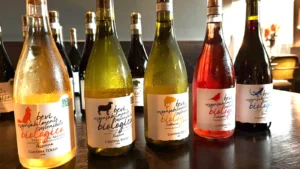
Today, I mainly drink wine and beer, and I rarely feel tempted by cocktails. What has really changed is not so much what I drink, but how and why I drink. Every glass is a conscious choice: I observe it, I taste it, I pair it thoughtfully. I ask myself where it comes from, who made it, what story it can tell me.
I could say I’ve “converted” to Mindful Drinking.
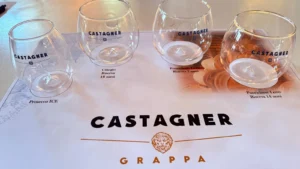
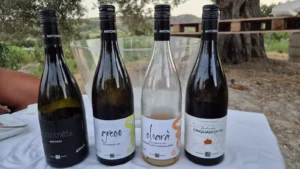
This new awareness has led me to observe with growing discomfort the still too-common habit of distracted, sometimes compulsive drinking. I’m surprised to see wine poured into water glasses or cocktails served in plastic cups. Not out of snobbery, but because I’ve learned to recognize the value hidden in every bottle—the work, the story, the passion behind it. I know how much of a difference a carefully chosen glass can make, how it can enhance every aroma and sensation, and how important a thoughtful pairing is, one that creates true harmony between food and wine.
It’s not easy to counter a culture of excess that has deep historical roots. Pleasure has long been linked to excess, to bacchanalia, and even today there’s still the idea that if you’re not overindulging, you’re not really having fun. Mindful drinking is often seen as something only for connoisseurs—or worse, for snobs.
While it’s true that certain cultural habits are hard to change, I believe that continuing to communicate in a clear, authentic, and engaging way—telling stories of the land, the people, the curiosities, and the ethical choices behind a wine—can only lead to greater knowledge and awareness, inspiring more thoughtful and respectful consumption. In fact, a well-told wine is already half-tasted.
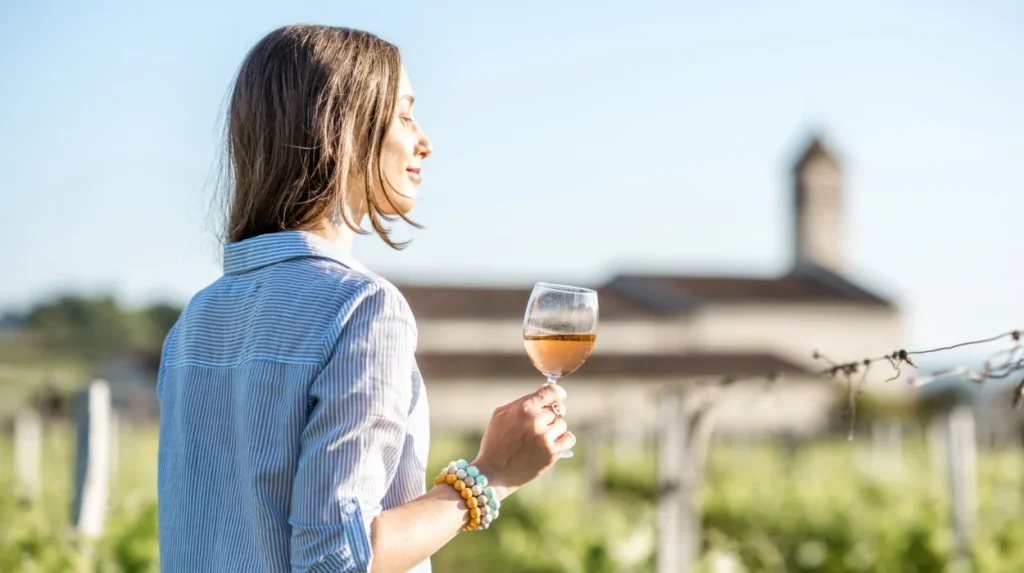
Mindful Drinking doesn’t mean giving up pleasure—it means enhancing it. It means choosing with care, taking a moment to appreciate the color, the aromas, the mouthfeel. It’s also about listening to your body, understanding its reactions, and finding a balance between moderation and enjoyment.
Tasting consciously is a simple but powerful act. It’s about pausing for a moment, observing the wine in the glass, swirling it, letting it speak. Every sip can become a small story, a sensory journey. A single glass can be worth more than an entire bottle.
Choosing a fine wine or discovering an emerging young producer can bring deeper emotions than a long evening of careless drinking.
Drink less, but better. With respect, with pleasure, with curiosity.
Because wine, if you truly listen to it, always has something to say—especially when served in the right glass, with the right food.