For someone like me, who comes from Rome, thinking about Orvieto means thinking of the classic Sunday excursion to a town that has always been welcoming. t means taking a long walk along the main street, breathing in an atmosphere that seems unchanged over time. It means sitting down at the table with the certainty of eating well, and then heading home satisfied and almost blissful.
Today, for me, Orvieto also means wine. It is wonderful to hear people talking about wine inside a theatre — the Teatro Mancinelli — which I had never visited before and which immediately proves to be the perfect setting for “Benvenuto Orvieto Di Vino 2022”, an event organized by the Consorzio Vini di Orvieto.
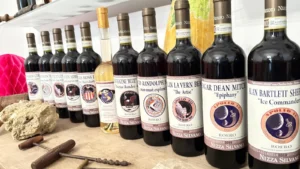
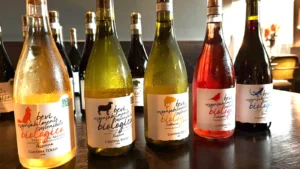
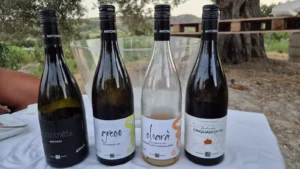
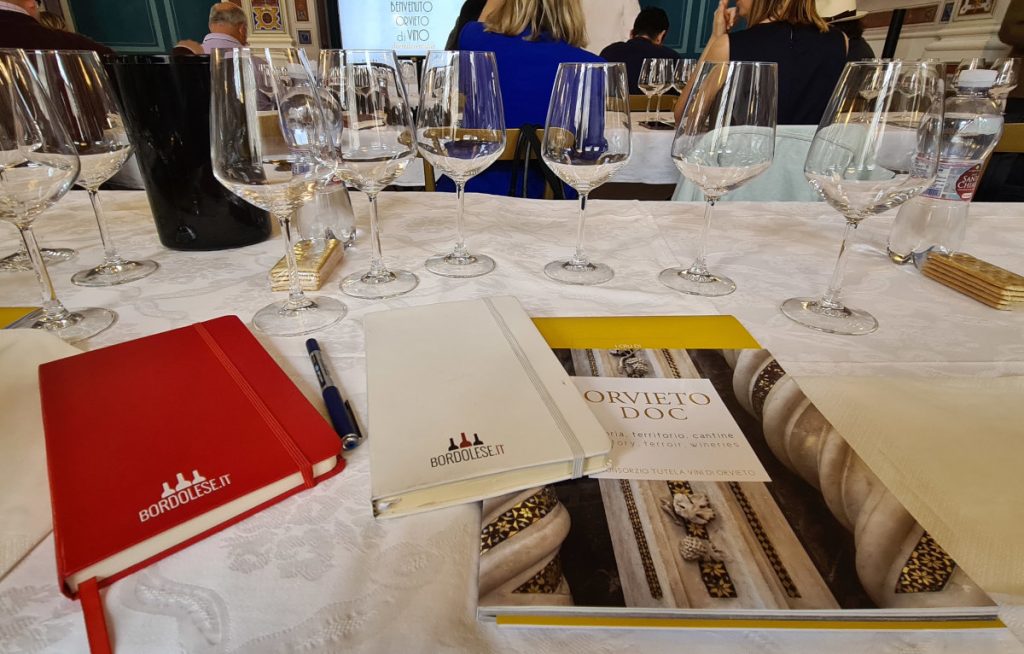
Beyond the opening presentation of data and the geographical extension of the DOC, the focus is on the terroirs of Orvieto DOC. Volcanic, Sandy, Clayey, Alluvial: four tastings, with bottles served at our table to represent the specific characteristics of these four terroirs. Grechetto and Procanico take center stage, as required by the appellation rules for at least 60%, with up to 40% of other local white grape varieties.
There is also a red wine in the tasting — a blend of Sangiovese and Canaiolo — but it is still the whites that dominate the scene.
Then the discussion turns to noble rot and the potential offered by sweet wines. It is worth remembering that Orvieto is one of the territories where Botrytis cinerea had already made its appearance as early as 1933.
The sixth bottle is the muffato: with its length, its honey notes and its dried fruit, it accompanies us toward the end of this morning. A morning made even more interesting by the stories of Professor Attilio Scienza — about medicinal wines, the close link with the Via Francigena, wines once named after their places of production rather than grape varieties, grapes grown in the city but vinified in the countryside, and the wines of the past, essentially based on oxidation.
Aware that each time I realize I know a little more, but also that navigating the universe of wine requires accepting that the final destination is unreachable, we head toward Palazzo dei Sette for the tasting tables and to satisfy that “slight hunger” that is beginning to make itself felt.
We taste more or less everything but, as you know, Wining.it is more about stories than technical tasting notes or assigning scores to wines. We certainly finish with passiti and muffati, those wines of fond memory for which — I confess — I have a particular weakness.
Before leaving, we exchange a few words with Giulia Di Cosimo, vice president of the Consortium. She is 19 years old, and I hope you will forgive me if I find it refreshing to see such a young person full of energy and enthusiasm in this role.
Thank you for the wonderful day.