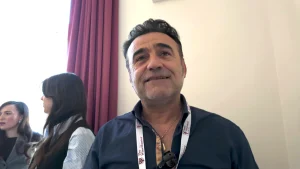
Silvia Donatiello, Head of the Italian Market for the Gran Canaria Tourist Board, tells Vinòforum about an island very different from its best-known image: ancient grape varieties, volcanic landscapes, microclimates, local products and experiences that turn a trip into a 360-degree discovery.
Sea, sand, hotels. This is still the image many people associate with Gran Canaria. Yet travel just a few kilometres inland from the coast and a far more complex island begins to emerge, shaped by volcanic landscapes, forests, mountains, dunes and agricultural areas where wine is becoming one of the most interesting ways to tell the story of a different destination.
This is the message Silvia Donatiello, Head of the Italian Market for the Gran Canaria Tourist Board, brought to Vinòforum 2026.
“Less than 2% of Gran Canaria’s territory has been allocated to tourism development. That means 98% of the island is still there to be discovered”, she says. It is no coincidence that Gran Canaria is often described as “a miniature continent”. According to Silvia, the island brings together many of the landscapes found across the Canary Islands and more than forty different microclimates.
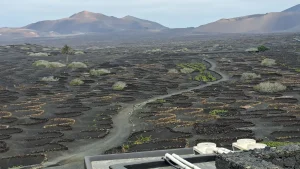
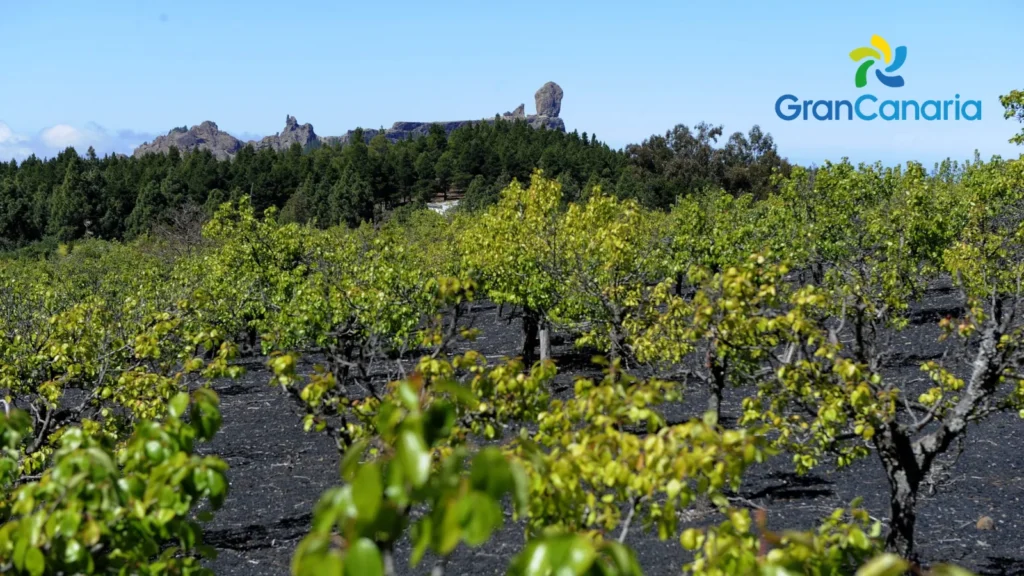
“From north to south, just a few kilometres are enough for the landscape to change completely. We have arid and desert areas, dunes, natural pools, pine forests, laurel forests and, of course, volcanic landscapes.”
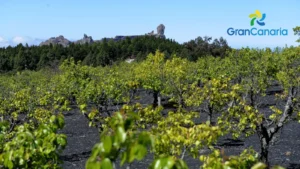
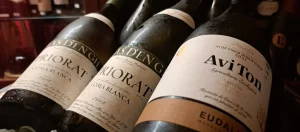
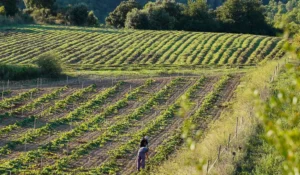
And it is precisely the volcanic element that makes the island’s wine heritage particularly interesting. Silvia speaks of more than forty grape varieties found in Gran Canaria and highlights a decisive factor in the viticultural history of the Canary Islands: the archipelago was never affected by phylloxera, which devastated much of Europe’s vineyards.
“We have ancient vines brought here over the centuries by the Spanish, French and Portuguese, varieties that in some cases no longer exist in their places of origin and that have adapted here to a completely different volcanic and mineral soil.” A heritage that makes Gran Canaria a distinctive wine region, and one that is still relatively little known among Italian consumers.
Wine, however, is only one part of the story.
Gran Canaria is part of Spain’s official Wine Routes network and, according to Silvia, is the only Canary Island included in the circuit. The network brings together more than fifty businesses and offers guided visits, tastings and accommodation, but the aim is to go beyond the winery itself.
“We also encourage visitors to discover the other products of the territory: cheeses, coffee plantations in the north of the island, bananas. It is an experiential form of tourism that engages taste, smell and sight.” There are places where visitors can learn how to make goat’s cheese, explore plantations or build an itinerary around experiences directly connected with local production. This is where the idea of wine tourism begins to expand. No longer just tastings and winery visits, but a way of entering a territory through what it produces, what people eat and the landscapes surrounding vineyards and farms.
Seasonality, too, becomes relative. “The average temperature on the coast is around 24 degrees throughout the year. In spring, the mountains and hills are in bloom, while autumn has completely different colours. Winter, however, remains our high season, because in Europe it is difficult to find similar weather conditions.”
And Gran Canaria is not only a destination to experience at the table. The island can also be explored on foot, along a Camino de Santiago route of around 67 kilometres that starts from the dunes of Maspalomas and crosses the interior, with the landscape changing constantly along the way. “You can start among sunshine and cacti and soon find yourself in a pine forest, perhaps with rain and, on rare occasions, even snow, before reaching intensely green landscapes that can almost resemble Ireland.”
Perhaps this is the key to understanding Gran Canaria.
An island that appears easy to describe, but is far harder to contain within a single image.
And in this case, wine can become one of the best gateways to discovering everything that usually lies beyond the beach.