Babylonstoren is not simply a winery. It is one of the most iconic destinations in South African wine and contemporary hospitality—a project that seamlessly blends history, agriculture, architecture, and tourism. Located in the Franschhoek Valley, this historic farm founded in 1692 is now a complete experience: vineyards, gardens, restaurants, wellness spaces, and refined accommodation coexist in a carefully designed ecosystem that tells the story of the land through lived experience.
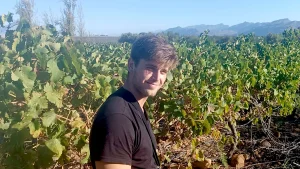
The soul of Babylonstoren is deeply rooted in history. Brunin, a guide and wine expert at the estate, walks us through its origins. The name itself comes from a biblical inspiration: the first owner, Peter van der Byl, a member of the Dutch East India Company, was struck by a hill on the property. That hill reminded him of the story of the Tower of Babel—a symbol of ambition and fragmentation—and thus the name Babylonstoren was born, evoking an ancient and universal narrative.
Since then, the farm has always maintained its agricultural vocation, evolving over time without losing its identity. One of its most distinctive features remains the garden, the beating heart of the estate, hosting over 300 varieties of edible plants. It is not just a place of beauty, but also of production, culture, and philosophy.
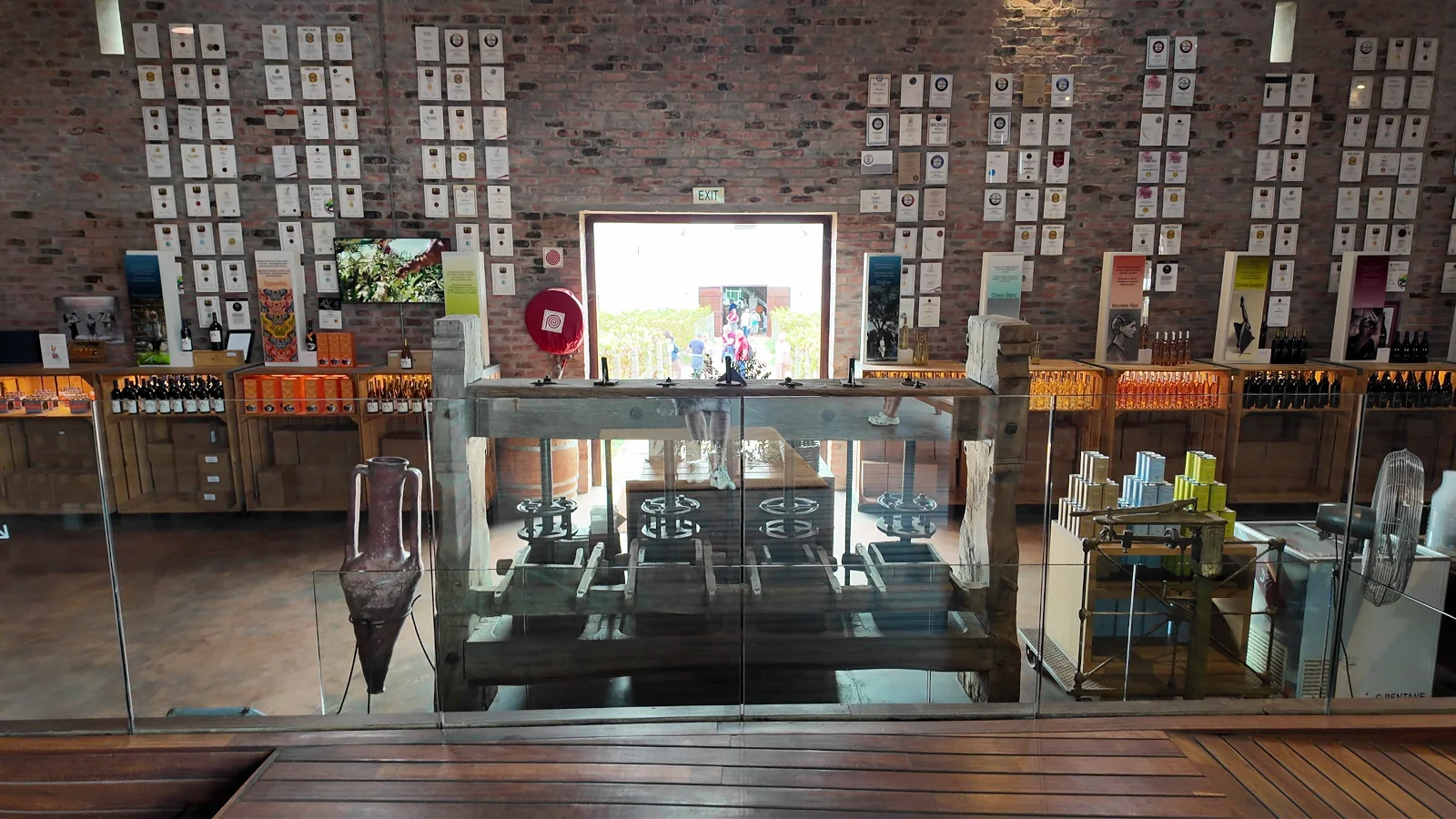
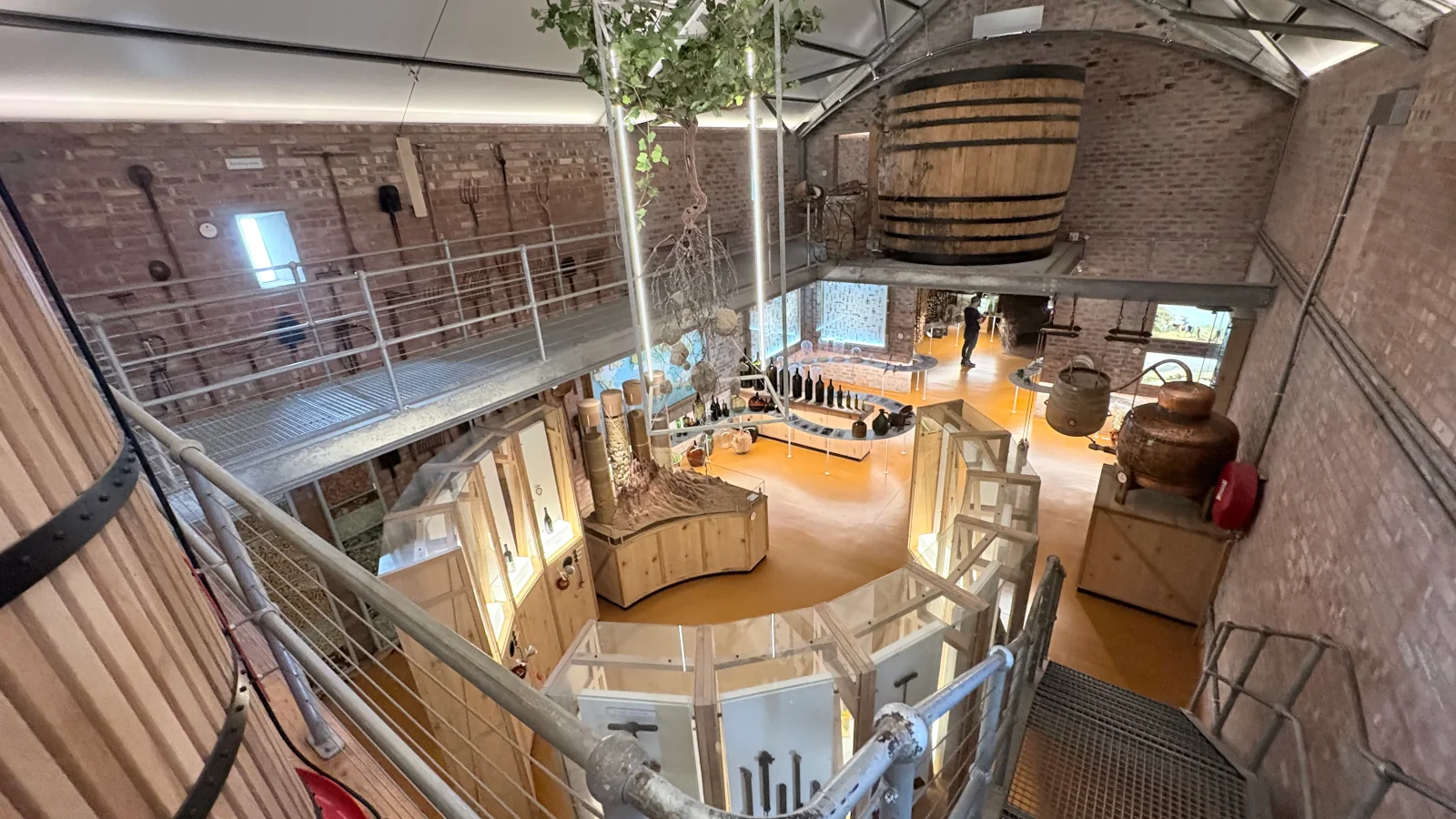
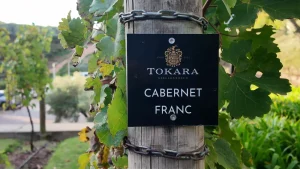
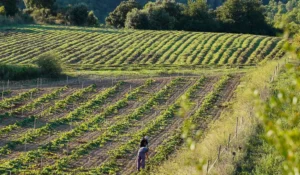
Alongside the garden, orchards of plums, peaches, and citrus thrive, as do the vineyards. Wine is indeed one of the core pillars of the project. Babylonstoren cultivates around 23 grape varieties and produces a portfolio of about ten labels: white wines, rosé, reds, and a sparkling wine, reflecting a territory that is increasingly gaining attention on the global wine stage.
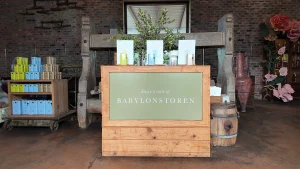
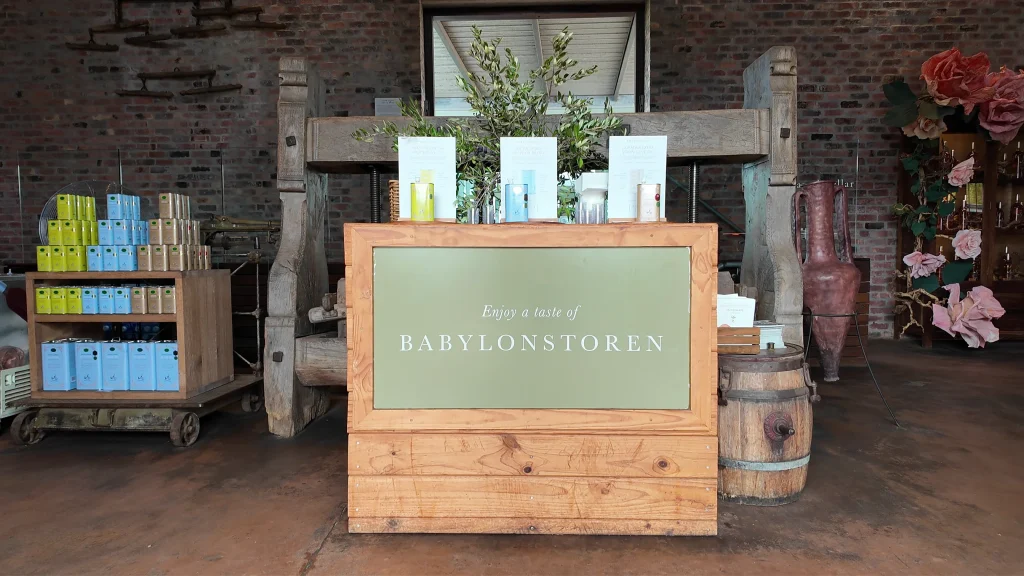
Alongside wine, there is also a more unexpected yet fascinating production: balsamic vinegar. Although the estate does not grow traditional Italian varieties such as Trebbiano or Lambrusco, Babylonstoren uses Shiraz grapes to produce a balsamic vinegar crafted according to traditional DOP methods, including aging in different wooden barrels. It is a compelling example of how tradition can be reinterpreted in a local context while maintaining rigor and quality.
What truly sets this place apart, however, is its experiential dimension. Tourism here is not an accessory—it is structural. It is precisely tourism that allows the farm to be sustainable and to grow, generating employment and opportunities for the surrounding area. Visitors from around the world come to experience Babylonstoren: they walk through the garden, taste the wines, stay at the property, and immerse themselves in a virtuous model where agriculture and hospitality are fully integrated.
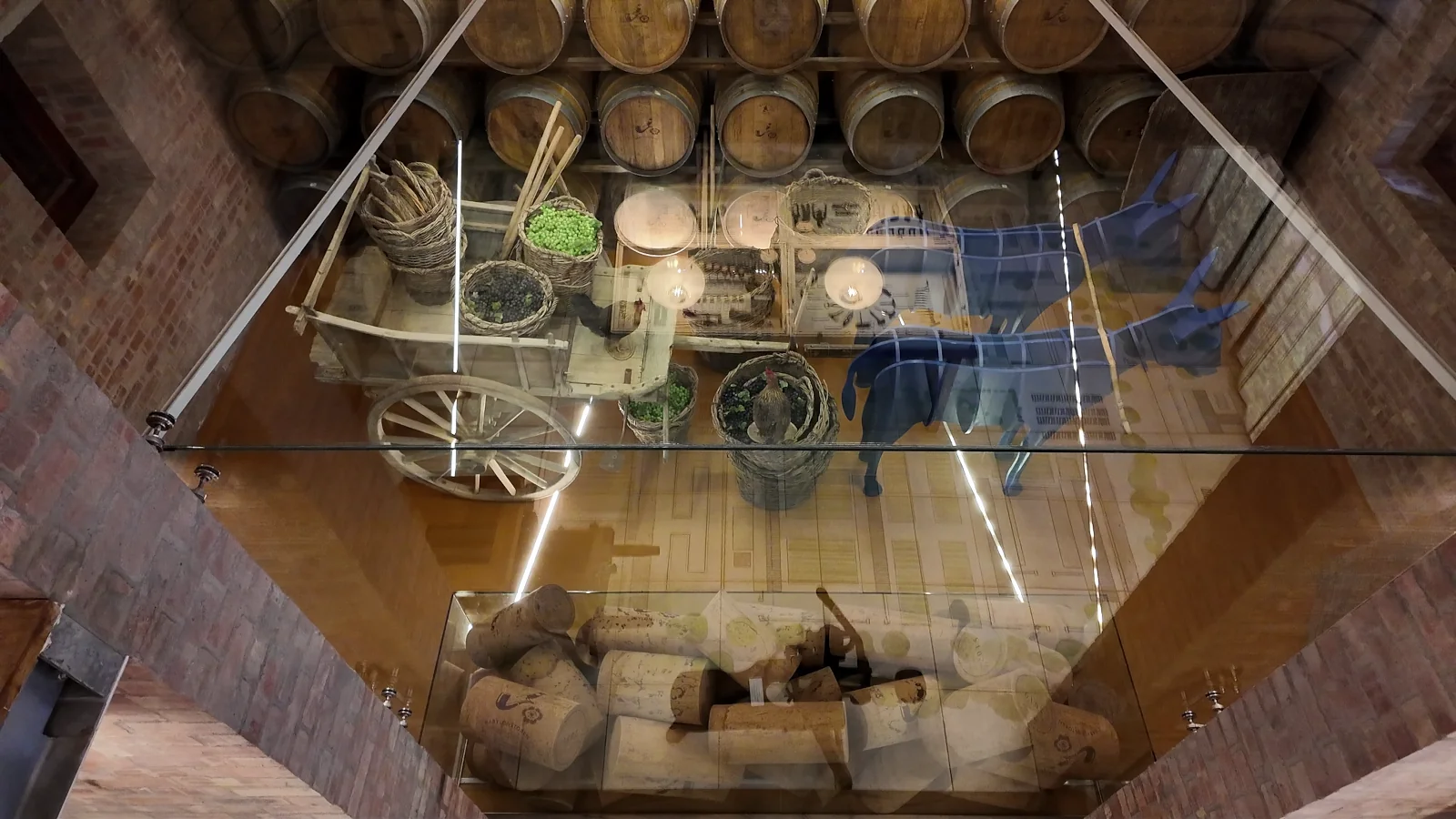

Interestingly, as Brunin points out, many guests initially arrive drawn by the garden, but it is the wine that completes the experience: “the garden makes you thirsty,” he says with a smile—perfectly capturing the spirit of the place.
There is also a growing connection with Italy. Babylonstoren is linked to Villa Vignamaggio, a historic estate in the heart of Tuscany. This creates an ideal bridge between two wine cultures, opening up opportunities for exchange and growth—even for those, like Brunin, who look with curiosity and respect at the richness of Italian wine heritage.
Babylonstoren is not just a destination—it is a vision of the future: a place where wine is part of a broader narrative made of land, people, sustainability, and beauty. A model that, even from this side of the world, deserves close attention.