
La Motte Wine Estate represents one of the most refined expressions of South African winemaking, where history, culture, and hospitality come together in perfect harmony. Founded in 1695, La Motte is one of the historic estates linked to the French Huguenots, a community that played a key role in the development of wine in South Africa. Today, the estate is owned by the Rupert family—among the most influential in the country—and continues to stand as a benchmark for quality and vision.
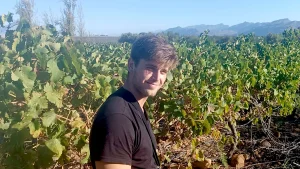
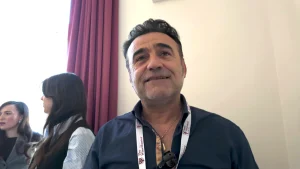
Ethan shares the spirit of the estate, emphasizing how wine in South Africa is прежде всего a matter of identity and national pride. “We have some of the best wines in the world,” he says confidently. But beyond that, what truly matters is the experience: every visit should become a memory—something that brings together wine, place, and hospitality.
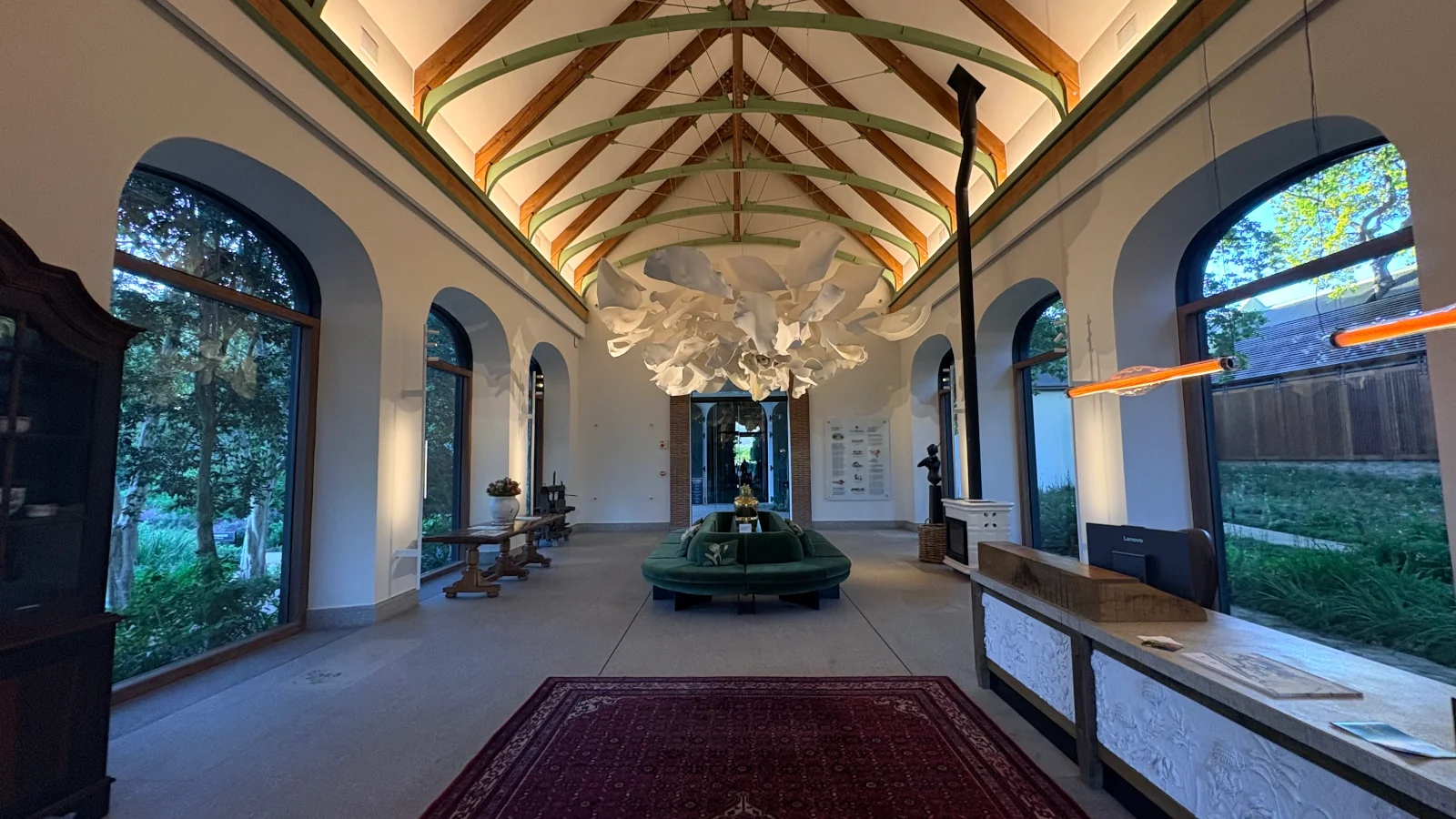
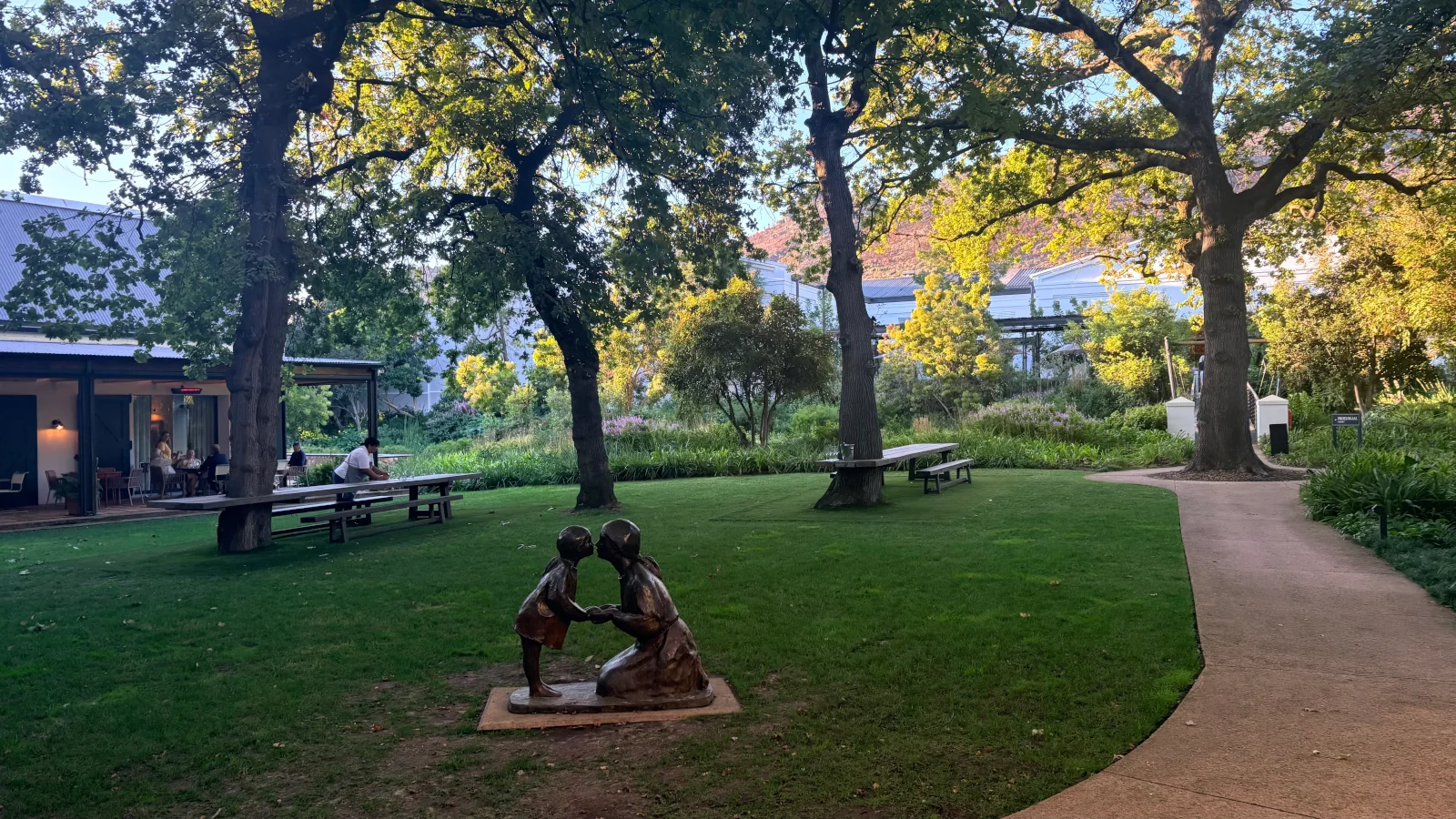
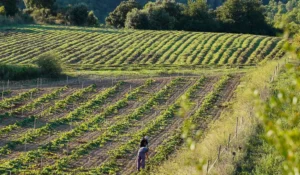
La Motte embodies this philosophy. It’s not just about tasting wine, but about living a journey: through historic architecture, meticulously maintained vineyards, and a food and wine offering that highlights the deep connection between wine and cuisine—something that resonates strongly with Italian culture as well.
The international audience visiting the estate is broad and diverse. From Europe—with a strong presence of German, British, and French visitors—to Brazil, Australia, and Asian markets, La Motte confirms itself as a global destination. A crossroads of cultures united by a shared pursuit of authenticity and quality.
In terms of production, the winery’s style stands out for its elegance and experimentation. La Motte wines tend to be lighter in profile, yet they also explore innovative expressions, always maintaining a strong connection to the land and to the French heritage of the Franschhoek Valley. The result is a portfolio that tells an authentic South African story while engaging in dialogue with international benchmarks.
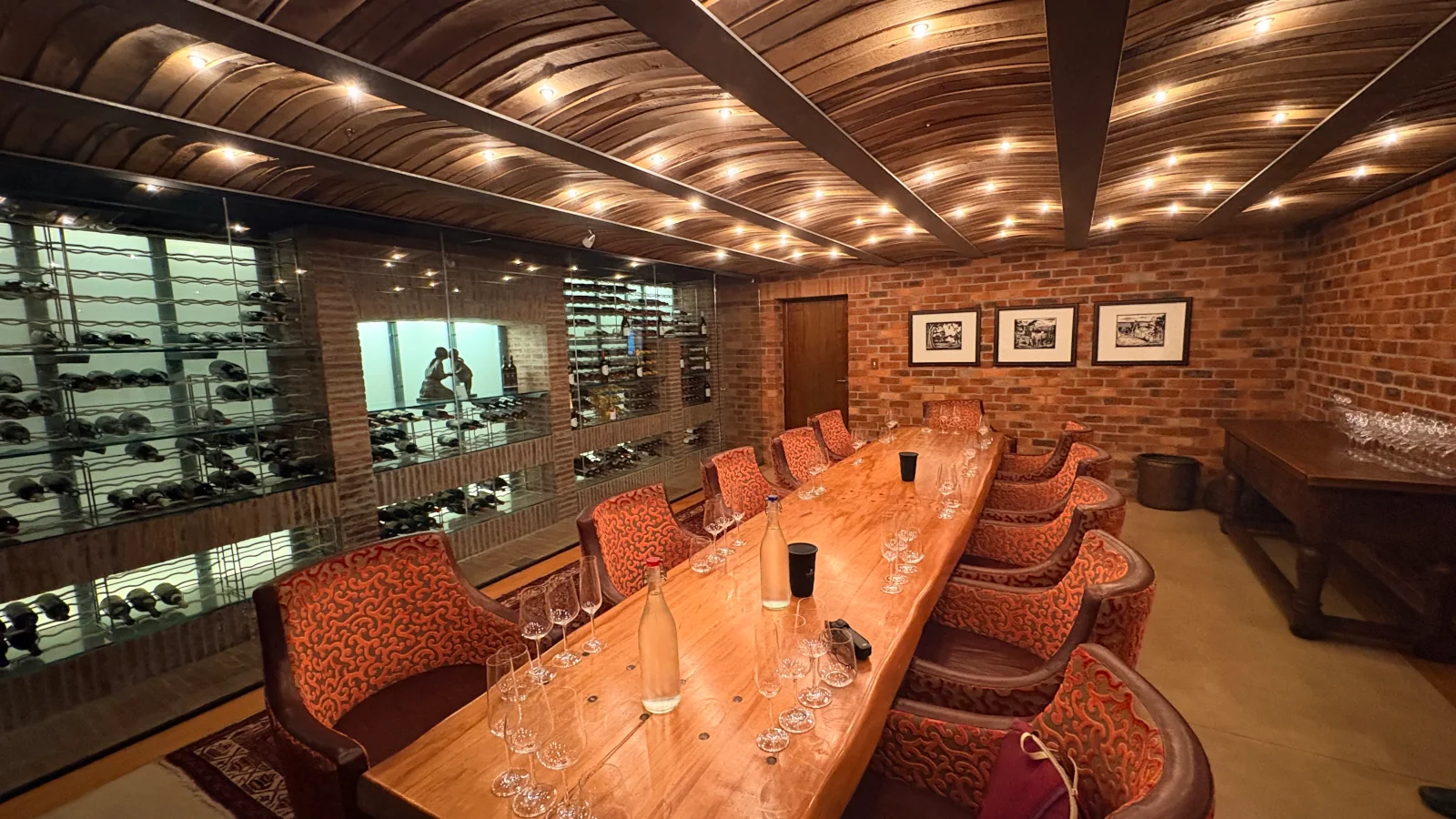
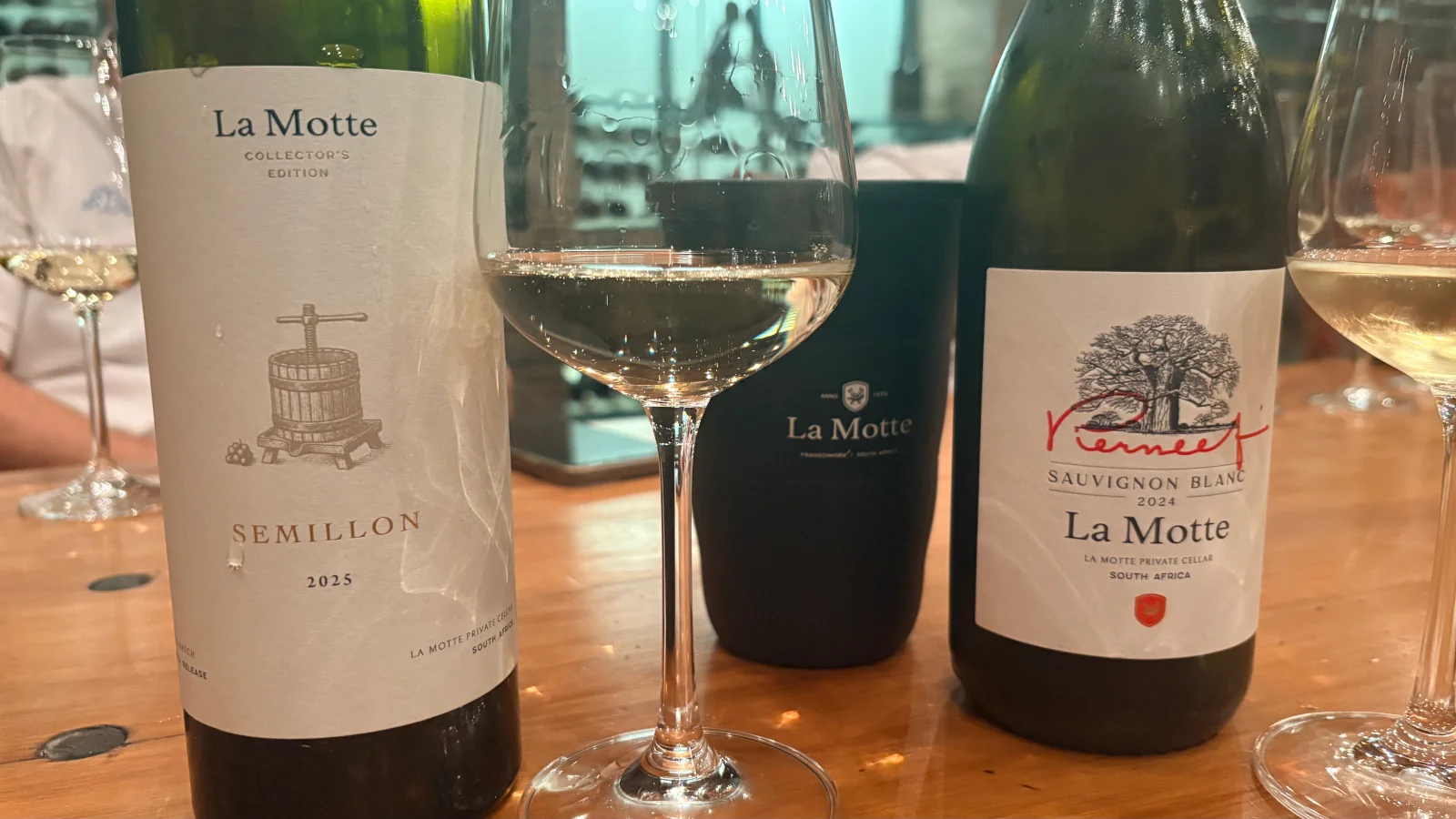
There is also an interesting perspective on Italy. Ethan enthusiastically mentions Chianti and Sangiovese, along with Tuscan and Sicilian wines, highlighting how the true meeting point between the two cultures lies in the deep relationship between wine and food—a cornerstone in both countries.
Looking ahead, a clear reflection emerges: South African wine has all the credentials to grow in markets like Italy, but the key challenge remains marketing. The quality is there—and constantly improving—but it needs stronger visibility and storytelling. Price also plays a role, especially considering taxes and import dynamics, but it should always reflect the true value of the product.
The final message is an open invitation: discover South Africa, experience its wines, and be part of a culture that has much to share. Perhaps—Ethan suggests with a smile—bringing along a football or rugby jersey, as a symbol of exchange that goes beyond wine and becomes a connection between countries.
La Motte is all of this: an estate that looks to the world without forgetting its roots, and that finds its most authentic expression in the dialogue between cultures.