Waterford Estate is one of the most distinctive and compelling wineries in the South African wine landscape. Founded in 1998, it is relatively young compared to the country’s more than 350 years of winemaking history, yet it has quickly established itself among the leading names thanks to a clear vision: quality, hospitality, and a strong sense of place.
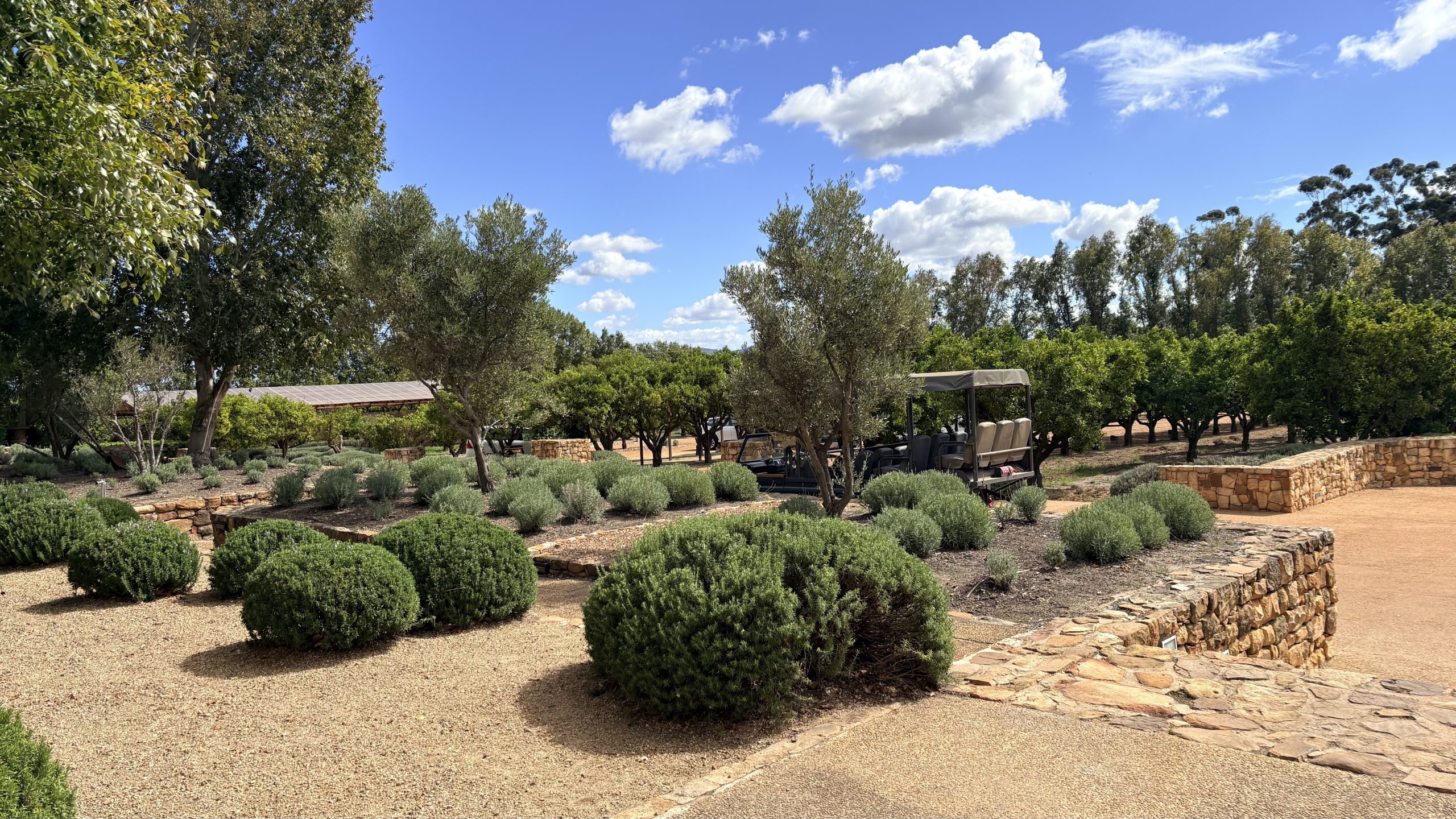
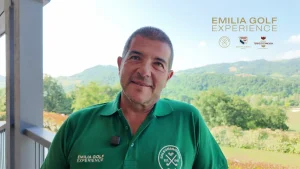
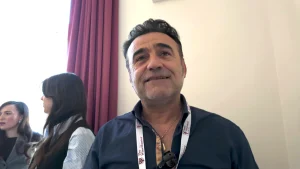
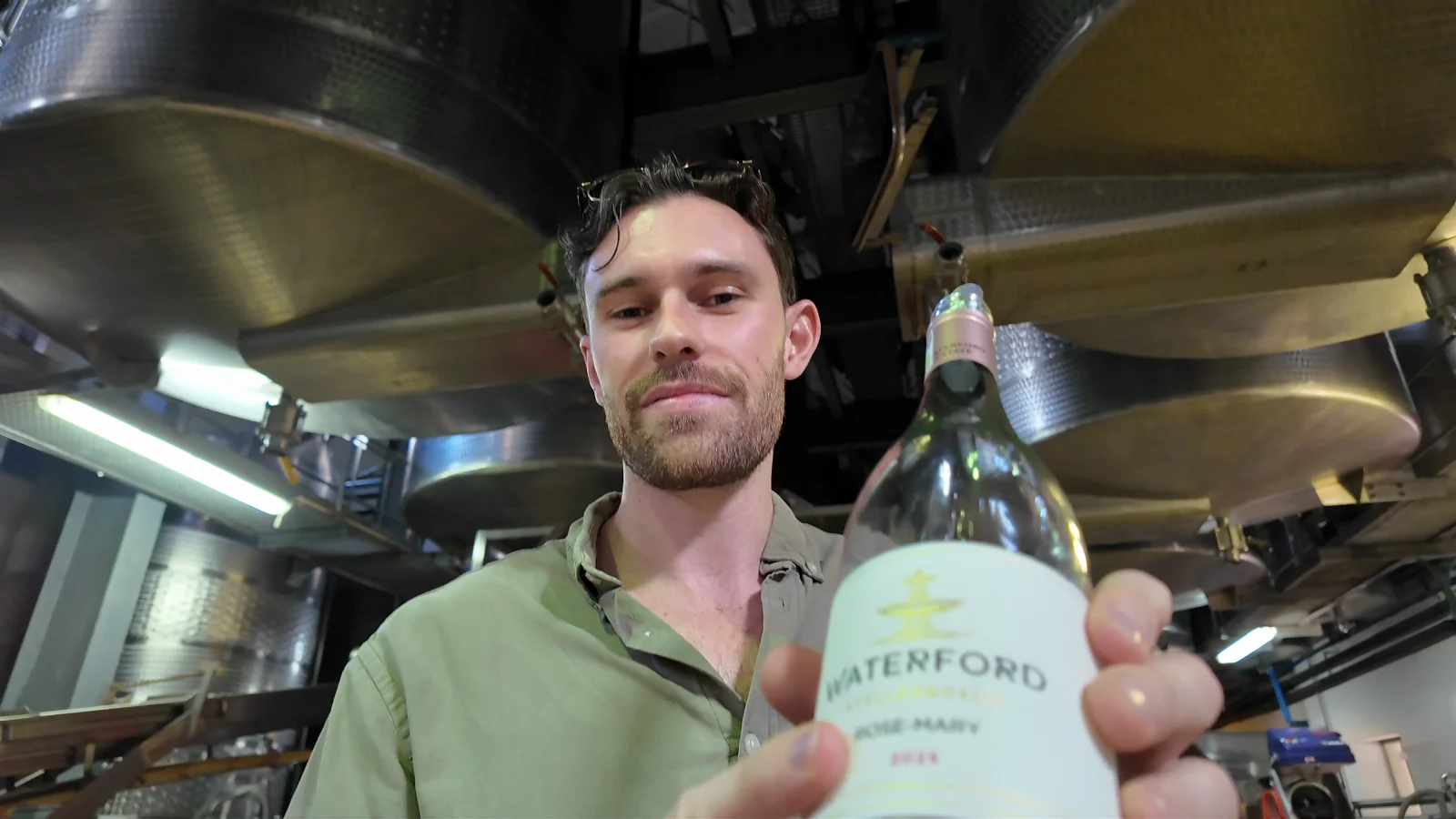
Guiding us through the estate is Jeremy, who speaks with pride about a winery deeply rooted in Stellenbosch, yet open to the world. At the core of production is Cabernet Sauvignon, supported by a smaller presence of Chardonnay, the only white variety cultivated on the estate. The rest of the vineyards are dedicated to eleven red varieties, with Shiraz as the second most important.
Despite its youth, Waterford Estate has rapidly achieved an almost “first growth” status within South Africa, competing with some of the country’s most renowned producers. This success is built on stylistic consistency and an unwavering focus on quality.
Yet it is the experience that truly defines the estate’s identity. The tasting room is the beating heart of Waterford: a place where wine becomes a moment of connection, sharing, and discovery. Visitors don’t just come to taste—they come to meet the people, understand the philosophy, and engage with the story behind each bottle.
Among the most iconic experiences is the “wine drive safari,” a three-hour journey in a Land Rover through the vineyards, featuring tastings and food pairings immersed in the landscape. It is an authentic way to connect with the terroir and to experience wine beyond the glass.
One of the estate’s signature wines is the rosé “Rosemary,” a blend of Mediterranean varieties harvested early to preserve freshness and acidity. The result is a refined, complex wine with a delicate “onion skin” hue, named in honor of the owner’s mother.
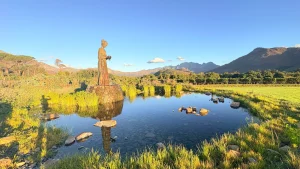
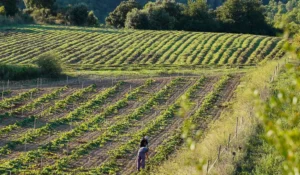
The estate spans around 120 hectares, with only 50 under vine. The remaining land is left to nature, supported by fynbos rehabilitation projects and a strong commitment to environmental sustainability, including the use of solar energy and responsible farming practices. This philosophy is an integral part of Waterford’s identity.
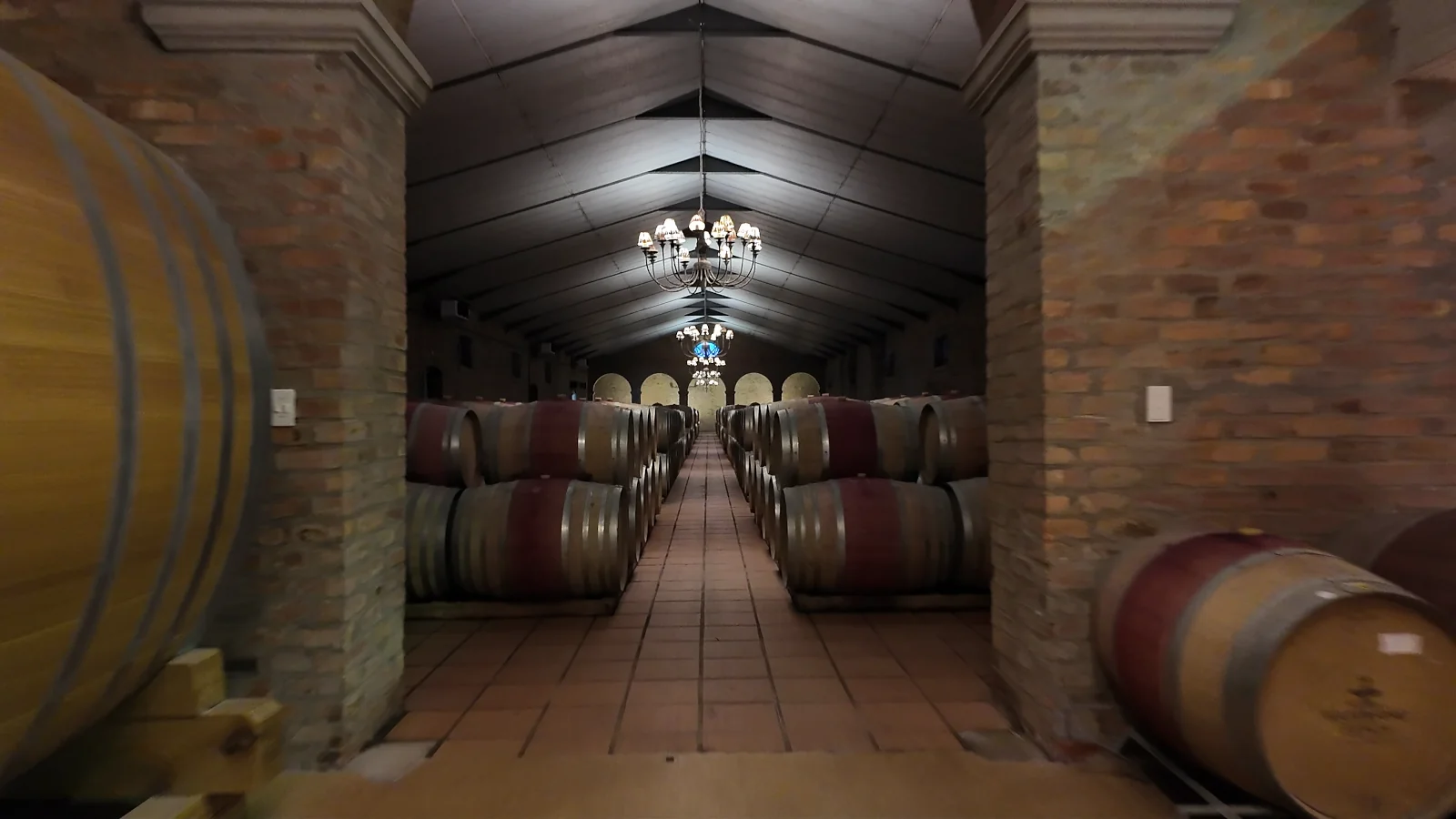
Inside the winery, one of the most striking spaces is the “cathedral,” the red wine barrel cellar housing around 1,300 barrels. It is an almost sacred place, where wines mature and where visitors can truly appreciate the craftsmanship behind each label.
A connection with Italy is also evident in the estate’s architecture, which draws inspiration from Tuscany, with stonework and arches that echo the aesthetics of Italian wine culture. Not surprisingly, the team has explored and tasted renowned Italian wines such as Chianti, Brunello di Montalcino, and iconic labels like Sassicaia.
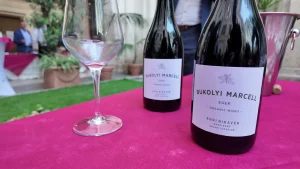
Looking at the Italian market, Jeremy highlights how South African wines can offer a window into the “new world”: familiar grape varieties, such as Cabernet Sauvignon, interpreted through different climates and terroirs. An opportunity to broaden perspectives and discover new nuances. His advice for Italian wine lovers? Start with signature grapes like Chenin Blanc or Pinotage, but don’t hesitate to explore Cabernet or even South African expressions of Sangiovese.
The final message is a clear invitation: come and discover this land. Waterford Estate positions itself not just as a destination, but as a gateway to a complete travel experience, offering connections, recommendations, and a level of hospitality designed to accompany visitors throughout their journey.
Waterford is, ultimately, a balance between roots and innovation, between old and new world—where wine becomes a universal language and a true opportunity for connection.