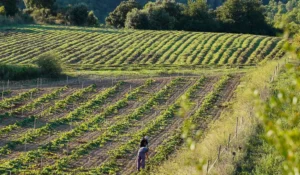
Hungary is one of the most fascinating—and still relatively undiscovered—wine countries in Europe. A nation with centuries-old traditions and an extraordinary territorial diversity, expressed through 22 distinct wine regions. From the volcanic soils of Tokaj to the rolling hills of Transdanubia and the more continental inland areas, Hungarian wine reflects a unique balance of nature, history, and culture.
While Tokaji remains the country’s most iconic expression—famously defined as “the wine of kings and the king of wines”—Hungary’s production goes far beyond this, offering an increasingly diverse range of whites, reds, and fortified wines that tell the story of indigenous grape varieties, territories, and a new generation of winemakers.
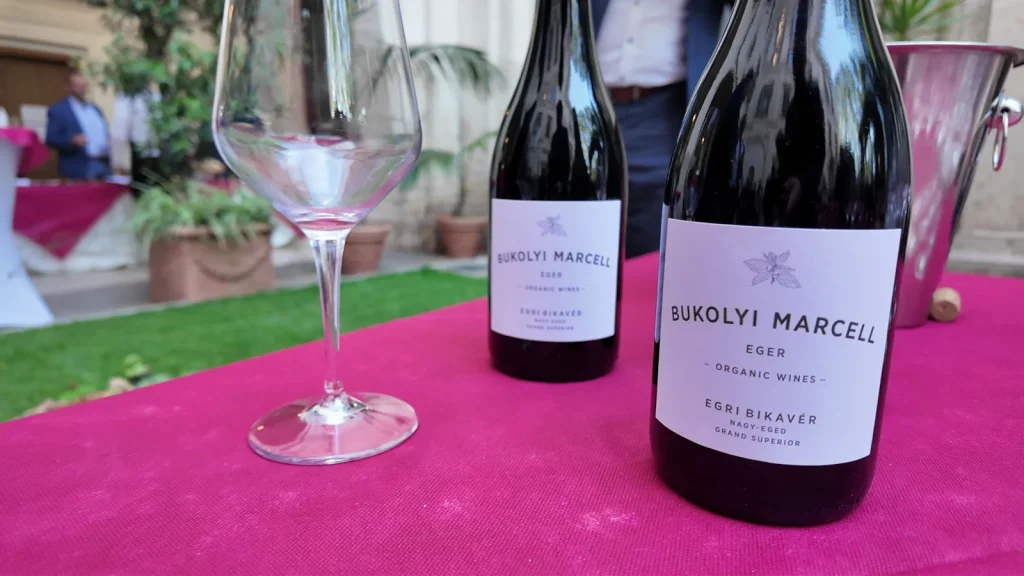
This broader narrative was at the heart of a recent event held in Rome, in the evocative setting of the Accademia d’Ungheria, where a tasting dedicated to Hungarian wines took place in the presence of the Hungarian Ambassador to Italy S.E. Andor Ferenc Dàvid.
“Hungarian gastronomy is as renowned as Italian cuisine, and wine is an integral part of it,” the Ambassador noted, setting the tone for the evening. The event was conceived not only as a tasting, but as a cultural encounter aimed at introducing Italian audiences to a wine heritage that is still relatively underexplored, yet deeply rooted and of remarkable quality.
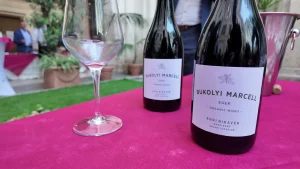
During the evening, four wine regions and four producers were presented, chosen to represent both the diversity and the high standards achieved by Hungarian wine today. “Excellent wine is produced throughout Hungary,” the Ambassador explained, “thanks to a wealth of experience passed down through generations.”
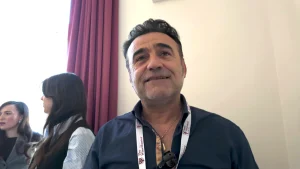
A particularly interesting point raised during the interview was the shift beyond the traditional perception of Hungarian wine. While Tokaji remains the “crown jewel” of national production, it is still a sweet dessert wine tied to a specific region. Today, however, Hungary presents a much broader and more articulated offering.
Among the examples mentioned was also a structured and powerful red wine, whose name had to be changed following Hungary’s entry into the European Union—an indication of a sector that evolves, adapts, and engages with international frameworks while preserving its identity.
Yet wine, as often happens, is only the starting point. “Those who taste Hungarian wine experience the flavor of the land, the work, and the passion of its people,” the Ambassador added. An experience that goes beyond the glass, becoming an invitation to travel and discover the places and stories behind each bottle.
In this sense, initiatives like the one hosted at the Accademia d’Ungheria also serve as a powerful tool for tourism promotion, sparking curiosity and building connections between countries that, like Italy and Hungary, share a deep culture of conviviality and appreciation for life.
The hope, as expressed by the Ambassador, is that this event marks just the beginning of a series—a journey of storytelling and promotion that will bring “all the joys and beauties” of Hungary to Italian audiences.
Because, ultimately, beyond geographical differences, there is a common ground that unites Italians and Hungarians: a shared love for life, for the table, and for everything that emerges from the meeting of culture and territory.