When I decided to move to Burgundy, I expected to find great wines, immaculate vineyards, and a deeply rooted wine culture. All of that was there, of course.What I did not expect was the almost obsessive level of attention devoted to every single vine and every single bottle. Burgundy is one of the world’s most renowned wine regions. Located in east-central France, it includes iconic areas such as Chablis, the Côte d’Or—divided into the Côte de Nuits and Côte de Beaune—and the Mâconnais further south.Chardonnay and Pinot Noir are the undisputed stars here, expressing a character that has made Burgundy a benchmark imitated across the globe. In recent years, however, Aligoté has also been gaining recognition, as more producers rediscover and showcase the potential of this historic grape variety.
Yet the true soul of Burgundy is not found in its grape varieties. It lies in its parcels.
Here, the concept of terroir is taken to its highest expression. The most prestigious classifications, Grand Cru and Premier Cru, do not simply identify a geographical area but rather small plots of land that, over centuries, have consistently demonstrated exceptional qualities. Some of these vineyards are surprisingly small, yet their reputation is known to wine lovers all over the world.
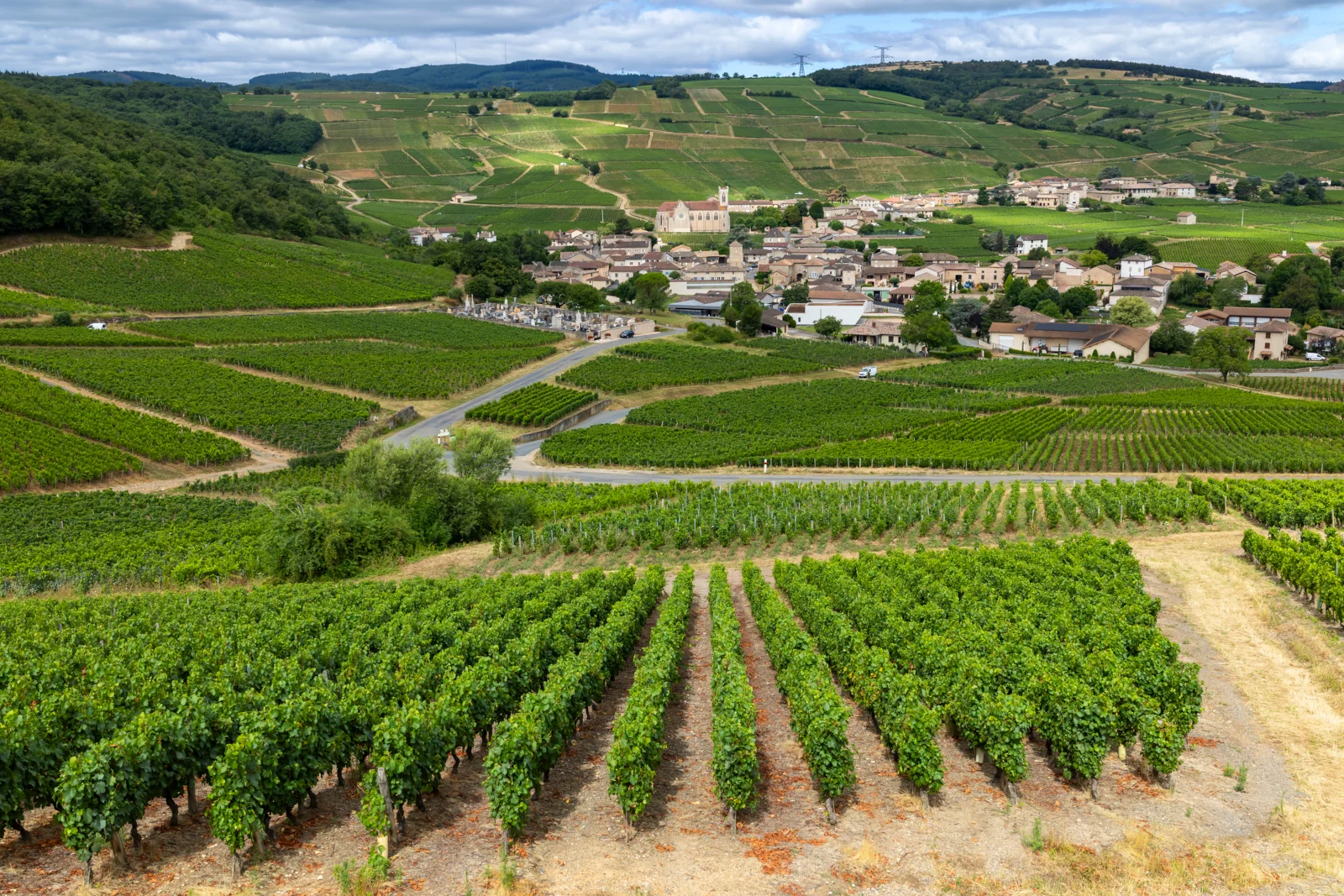
As an Italian, one of the first things that struck me was the work carried out in the vineyards. Many operations are still performed entirely by hand. In the steepest parcels, tractors cannot even enter, and every task relies on human effort. In some of the most prestigious vineyards, horses are still used to work the soil—not out of nostalgia, but because many growers believe traditional methods remain the best way to preserve the balance and health of the land.
Most of the wineries I have visited also follow organic or biodynamic practices. Not as a marketing strategy, but as a natural consequence of an approach that places the vineyard and its identity at the center of everything.
If the care taken in the vineyard impressed me, what I witnessed in the cellar amazed me even more.
I still remember my very first day at work. I watched the owner spend hours examining newly delivered barrels. He smelled each one individually, carefully taking notes in a small notebook. For every parcel, he considered which barrel would be the most suitable. Sometimes he would postpone a decision until the following day simply because he wanted more time to think about it.
That was the moment I realized that nothing here is left to chance.
There is also a curious detail that says a lot about the French character and the historic rivalry between the country’s great wine regions. The leading cooperages are located in Burgundy and Bordeaux. Since competition between the two regions has always existed, Burgundy barrels hold 228 liters, while Bordeaux barrels hold 225. Just three liters of difference, yet enough to tell a story of pride, tradition, and identity.
Another aspect that initially puzzled me was the fragmentation of vineyard ownership. In Burgundy, it is perfectly normal for an estate to own several hectares spread across numerous different parcels. Sometimes a producer may own only a few rows of vines within a much larger vineyard.
The explanation lies in history. Under the Napoleonic inheritance laws, estates had to be divided equally among heirs. Generation after generation, this rule progressively fragmented vineyard holdings, creating the situation we see today, where multiple producers may own small portions of the very same historic parcel.
At first, this can seem complicated to understand, but it is one of the keys to truly understanding Burgundy.
After spending a year here, I believe the most important lesson this region has taught me is that wine is not viewed as a product, but as the result of countless acts of care and attention. From vineyard management to barrel selection, from soil preservation to winemaking decisions, every detail matters.
Perhaps this is why Burgundy continues to fascinate the world. Not only because of the quality of its wines, but because of the almost absolute respect its vignerons have for time, the land, and their craft.