Having grown up in South Africa and resided near some of my country’s best wine-producing regions (from Montagu to Cape Town’s Constantia Valley to the Durbanville Wine Valley), I can safely say that South African wine, and indeed, our wine industry as a whole, is special.
Not just for the accolades it reaps or the global popularity it enjoys. (Indeed, travellers from all over the world come to our beautiful wine regions to enjoy our fine wines and warm South African hospitality.) Rather, there is also a sense of passion and innate pride that exists within the South African wine industry.
In this post, I want to share what makes South African wine tourism feel different, even to me as a truly South African and a decade-long Cape Town resident and travel blogger, who is fortunate to be based so close to some of South Africa’s most significant wine regions and estates.
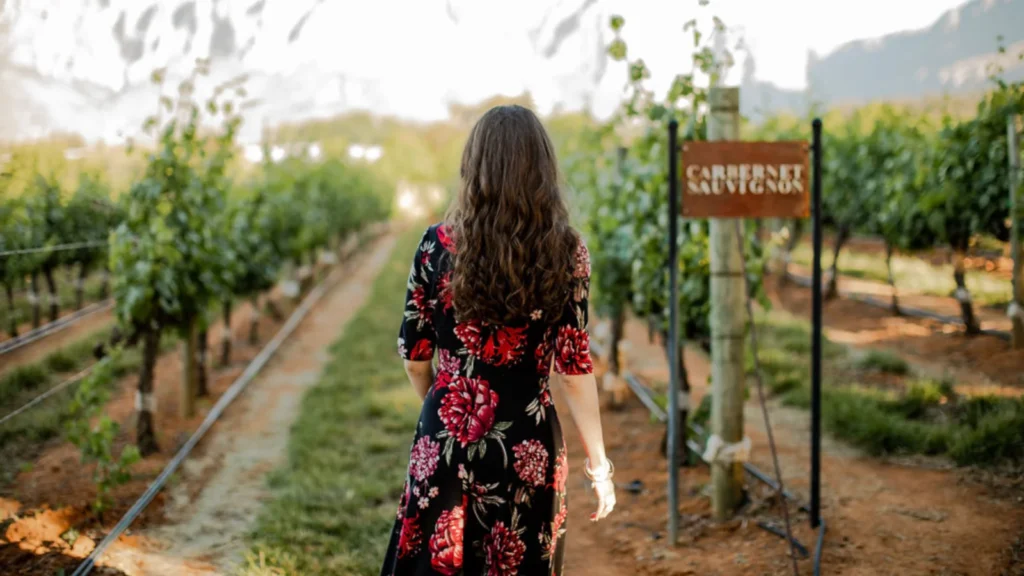
Wine Tourism Built on Personal Passion and Innate Pride
Maybe it’s the way our wine estates pay homage to the past, while giving a conscious, more sustainably minded nod to the future. Or how our wine farms now market themselves as destinations for all to enjoy; gone are the days of wine estates only being for the wine purists among us!
Today, instead, our South African estates offer places of rest (many provide incredible accommodation options for guests and travellers to choose from), exquisite food (from the most casual cafe or cosy bistro to mind-blowing fine dining restaurants) and, above all, a mix of diverse people who live and breathe the wines that they produce, market or savour. It isn’t just a job or fun outing for them. It’s a part of their passion, belief system and life goals.
And often the goal is simple: to promote or experience a positive, beautiful part of South Africa: its wines.
Experiencing South Africa’s Wine Tourism as a Wine Lover and Traveller
Although I haven’t yet had the pleasure of travelling overseas, I have had many wonderful conversations with wine lovers who have.
Indeed, I have heard them praise the South of France’s majestic wines or effuse over the historic significance of wine tasting in Greece. In my spare time, I have also read stories about other rich wine regions, like Canada’s, Argentina’s or America’s, to mention only a few.
Yet, somehow there is one thing that all these stories and online posts seem to agree on: wine farms and wine tasting are not quite the same internationally as they are in South Africa.
Many friends and acquaintances have shared how, in many instances, international wine farms and their tastings still look to more age-old winemaking ways, traditional approaches or formal cellar sales. They have sometimes noted to me how, occasionally, they may lack the easy warmth and generous spirit of hospitality behind South Africa’s wine farms.
For example, wine tastings in South Africa are not just structured seated occasions where you sip and sniff wines. Instead, our wine tastings have so much to offer, including but not limited to:
- interesting wine pairings (these may include everything from fynbos-infused ice-cream, locally produced cheese and charcuterie platters to culturally important, South African heritage delicacies, like biltong, bobotie or roosterkoek);
- unique wine farm experiences (from the Franschhoek Wine Tram, Stellenbosch Wine Tractor or City Sightseeing Cape Town’s Constantia wine bus tour to outdoorsy vineyard safaris and/or safari buses, where wildlife spotting, scenic mountain- and sea-views or informative guided tours enhance your overall experience);
- family-friendly tastings (meaning even little ones can join in with tasty grape juices and sweet treats);
- and the chance to admire local artworks, browse small galleries or even explore incredible museums, like Glenelly’s Glass Museum or Babylonstoren’s Wine Museum.
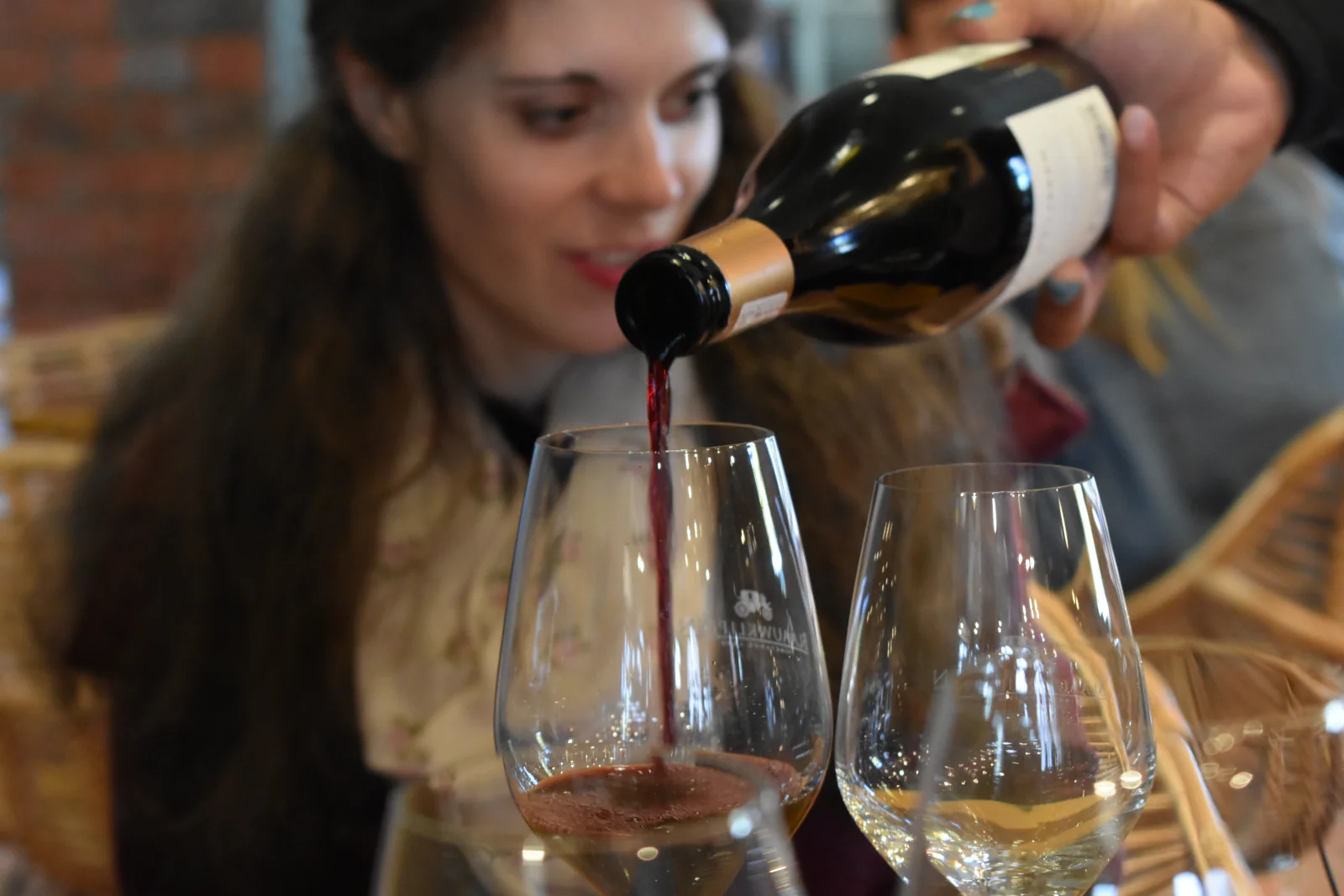
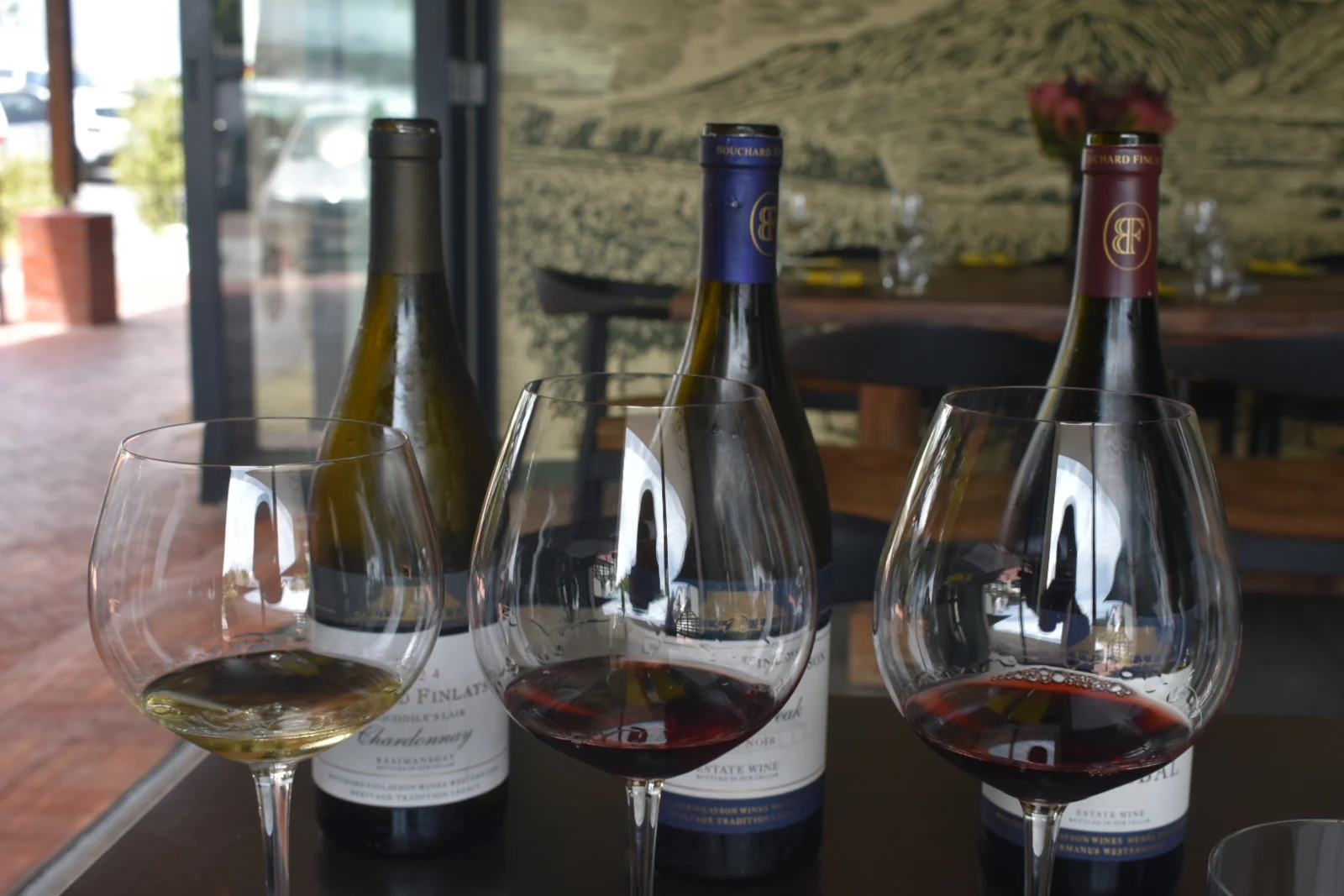
What I personally love about our wine tastings, though, is the sense that no two tastings or even wine farm offerings are ever completely the same. Not even if you visit the same farm again. Because every experience and tasting is fresh, unique or educational.
You learn how the wines are grown or produced, how they are affected or altered by climate change (because sometimes, extra rainfall can be a blessing or a curse), how the location or region shapes the wine (cool climate vs warm climate) and how much dedication and endurance goes into producing just one bottle of South African wine.
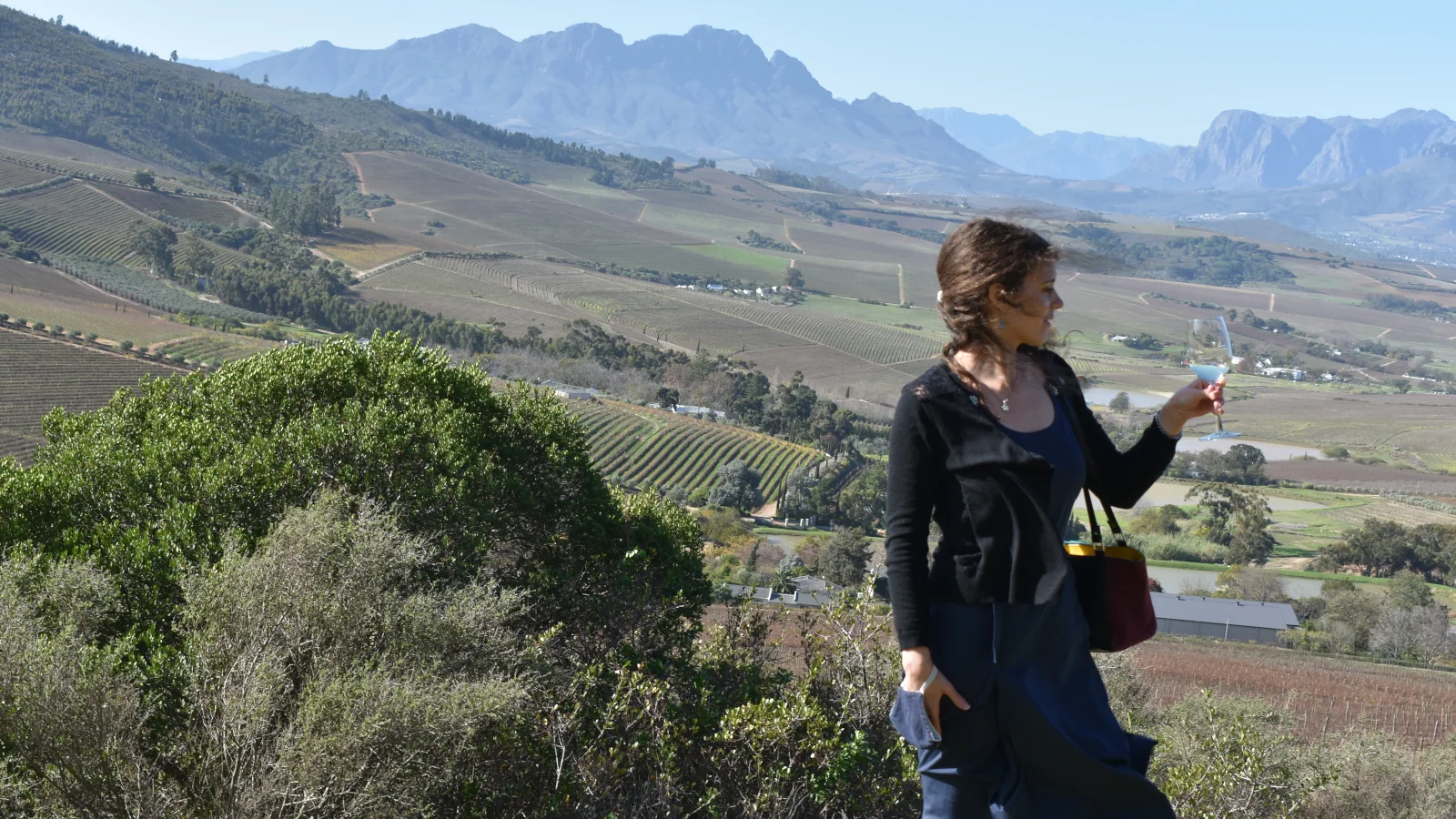
You also learn how our wine farms function as destinations, more than ‘stop and shop for wine’ places. There are summer picnics, live music, relaxed events or fun picking experiences (like Boschendal’s annual Citrus Festival), family-friendly activities, unexpected game viewing, hikes, nature walks and MTB trails, amazing gardens, incredible food experiences, varied accommodation and so much more to uncover.
Ways South Africa’s Wine Leaves Its Mark on You
And it is these things that make South African wine tourism so dynamic. It is the people who dedicate their lives to producing wine, the ones who travel all over the world showcasing our beautiful wines or the ones, like myself, who experience South Africa’s wines and wine estates as amateur wine lovers and focus more on the experience, flowing conversation or special memories that stay with you long after the last sip has been savoured rather than just zoning in on the numerous awards, detailed tasting notes or wine formalities that surround good wines.
To me, South Africa’s wine tourism feels different because it isn’t just about the wine; rather, it is built on a foundation of historic winemaking (with both the good and the bad sides of South Africa’s history blended in), wondrous wine farm experiences, unblemished, natural South African scenery and of course, the warm, friendly people who make our wine industry so special.
And it is this (and of course, our amazing wines) that I want travellers and wine lovers from across the globe to experience first-hand.