Refettorio Majer

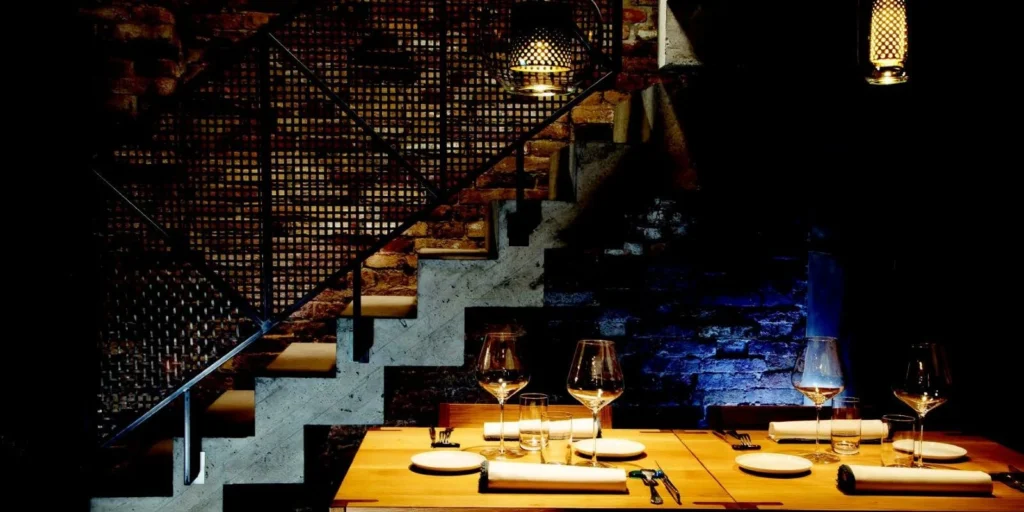
A sponsor of art exhibitions, Majer is a bakery and patisserie brand with ten outlets deeply rooted in their respective Venetian sestieri, whose names they bear, and two dining venues: Giudecca and Il Refettorio. Majer has long been a familiar name in Venice for its pastries, traditional biscuits and whole-bean coffee. The historic name has also been retained by its new owner, Fabrizio De Nardis. (more…)
Canale dei Mulini

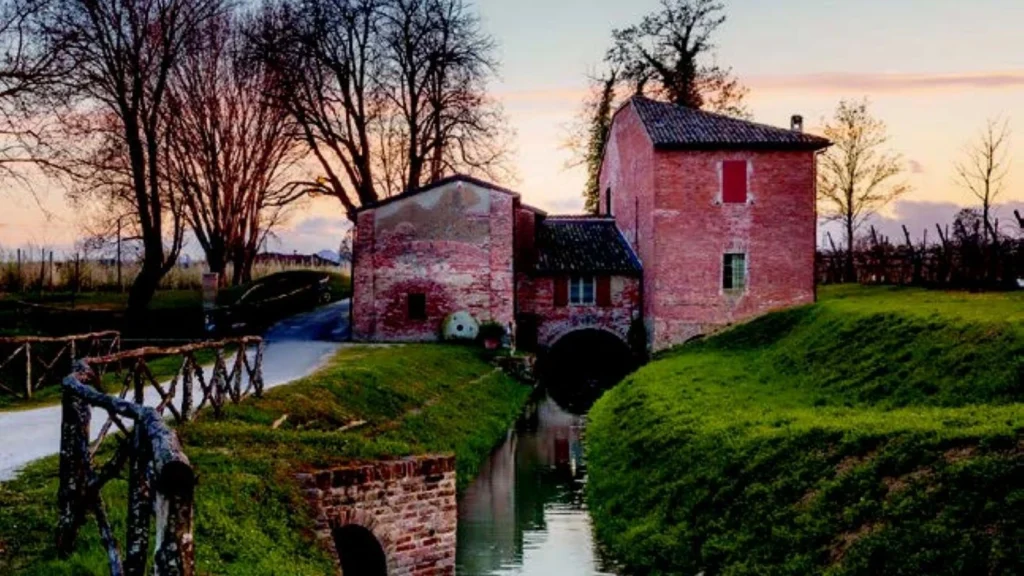
Along the Canale dei Mulini, from Castel Bolognese to Alfonsine, a cycling and walking route winds through nature and history, leading to the Mulino Scodellino, also known as the Countess’s Mill. Today, this historic mill produces flour in compliance with production and distribution standards and hosts a rich programme of cultural events. (more…)

Masseria Amastuola

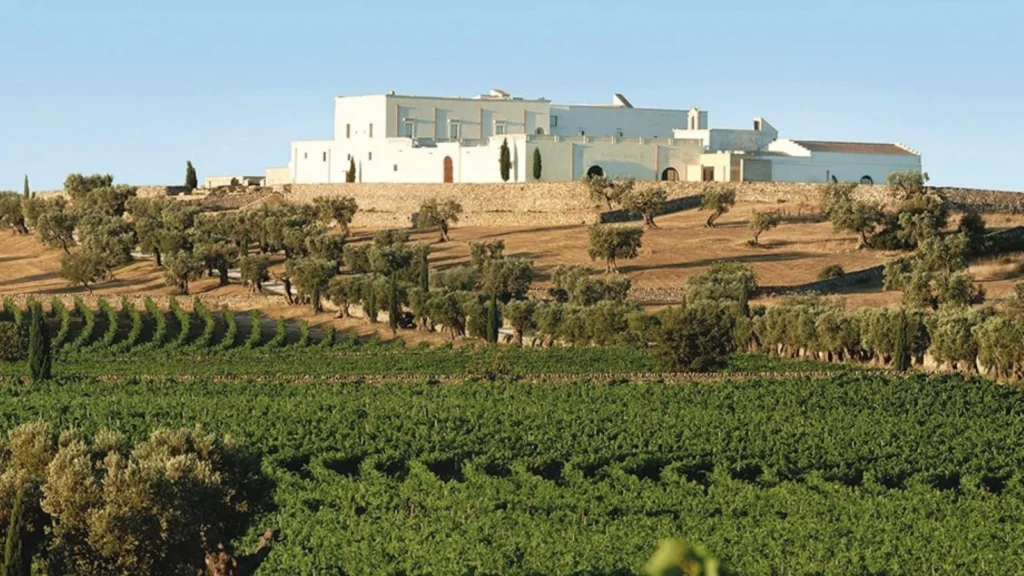
The white of stone gleaming in the southern light, the green of the garden vineyard where vines grow on trellises between dry-stone walls alongside 1,500 olive trees, the blue of the sky and sea in the distance: Masseria Amastuola stands on a plateau 210 metres above sea level in the Terra delle Gravine Regional Park. This is a landscape of rock-cut settlements, churches carved into stone and historic masserie, just a few kilometres from the Itria Valley and the Sassi of Matera, south of the sites where the Gold of Taranto was discovered. (more…)

Horti

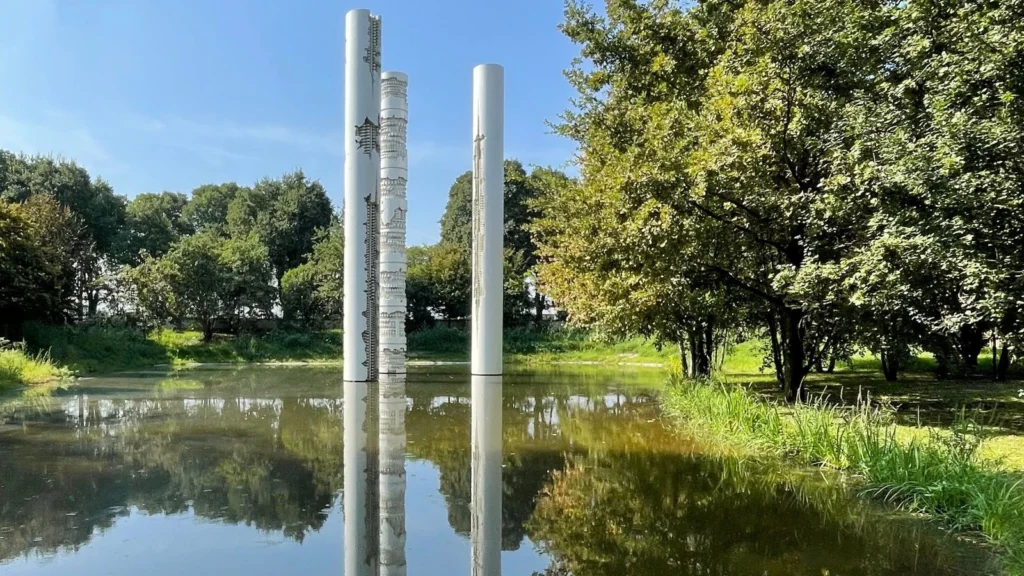
In the heart of Pavia, overlooking the banks of the Ticino River, lies Horti, an urban and human regeneration project inaugurated in 2022. Created by Almo Collegio Borromeo, the project has given the city a 35,000-square-metre green space that once contained vegetable gardens and orchards used to feed the College’s students. (more…)

Lisca.10

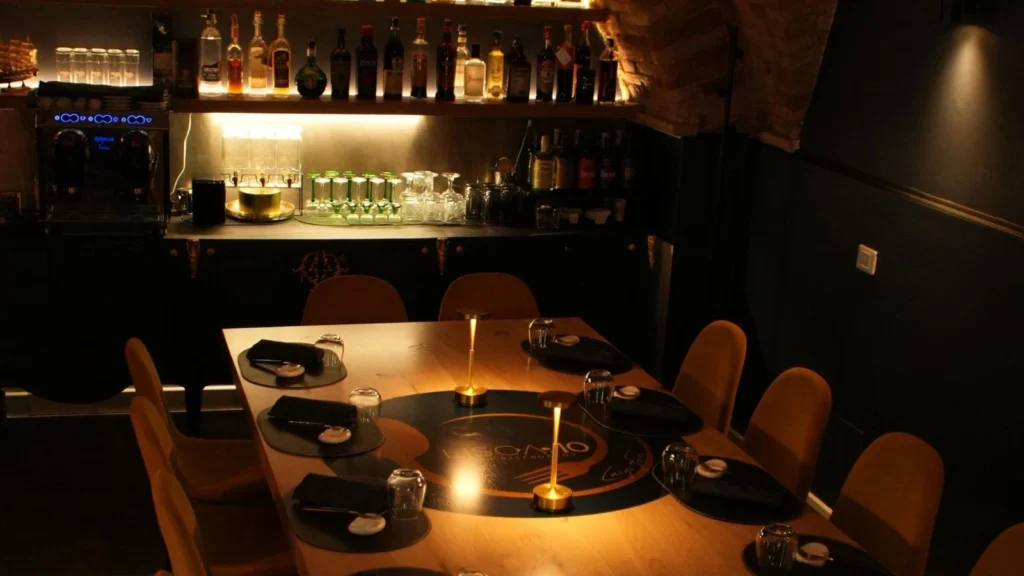
Kitchen, home and workshop. Everything revolves around taste and art. This is the distinctive concept chosen by Lisca.10, a recent and highly intriguing addition to Abruzzo’s fine-dining scene. Stepping inside offers a double sensory immersion. (more…)

Marchesi Antinori

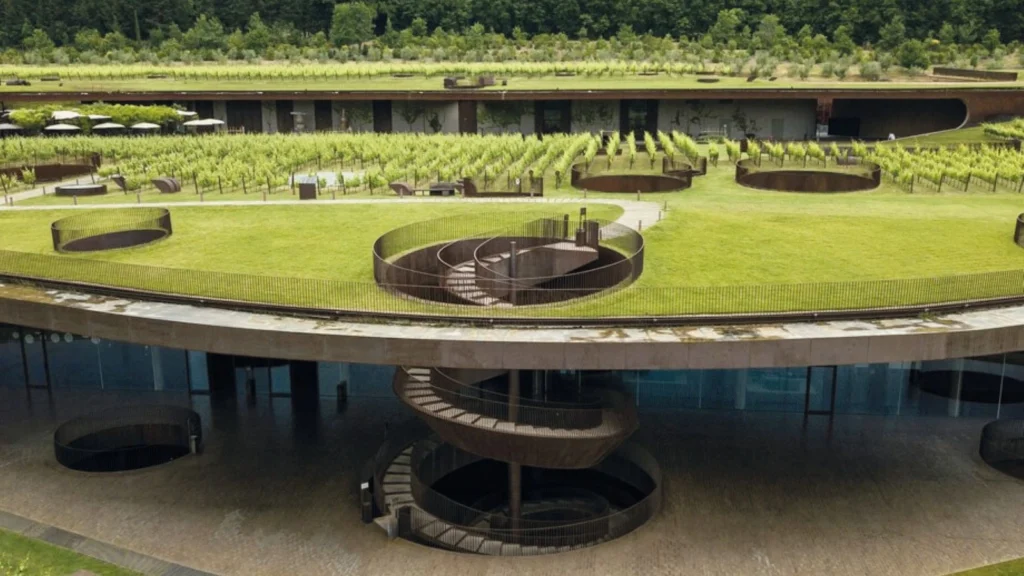
To call it a winery is a useful simplification, one that identifies its primary purpose, yet in reality its role extends into other realms, both in terms of winemaking and in the symbolic expression of a genius loci shaped over more than six centuries of family and Florentine history. (more…)

End of content

No more pages to load