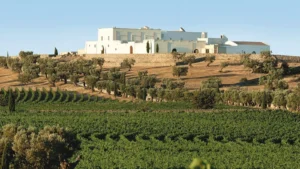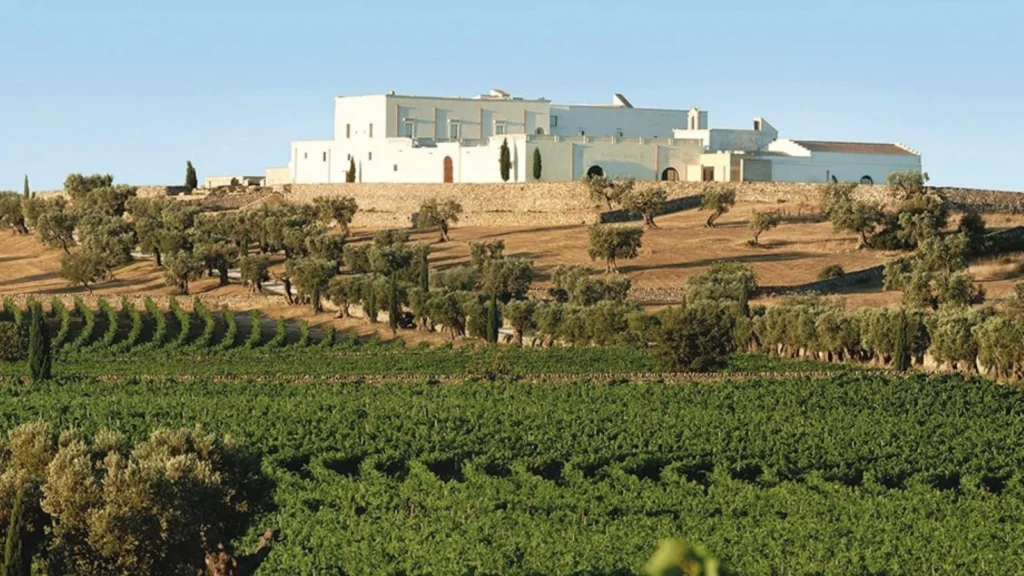
The white of stone gleaming in the southern light, the green of the garden vineyard where vines grow on trellises between dry-stone walls alongside 1,500 olive trees, the blue of the sky and sea in the distance: Masseria Amastuola stands on a plateau 210 metres above sea level in the Terra delle Gravine Regional Park. This is a landscape of rock-cut settlements, churches carved into stone and historic masserie, just a few kilometres from the Itria Valley and the Sassi of Matera, south of the sites where the Gold of Taranto was discovered.
Built around an enclosed courtyard, the masseria has two gateways opening onto its spacious central court and, on the southern side, a small doorway that reveals, almost unexpectedly, a view of the Gulf of Taranto. The layers of history quite literally emerge here: beneath the entrance floor lie visible remains of an ancient Magna Graecia settlement, recalling the people who inhabited this land long before the earliest noble records. The first written reference to the estate appears in an Inventarium of the possessions of Giovanni Antonio Orsini, Prince of Taranto, compiled in the first half of the fifteenth century.
In the sixteenth century, the estate passed to the Ferrandinò family, who enlarged it by incorporating the surrounding public lands, and later to the D’Afflitto family, who presided over its changing fortunes until the mid-twentieth century. The careful restoration undertaken from 2003 by the KIKAU Group, owned by the Montanaro family of Massafra, has brought it back to life without compromising its character, respecting its original materials and the layout of its spaces.
Cultural and leisure experiences
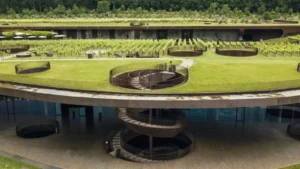
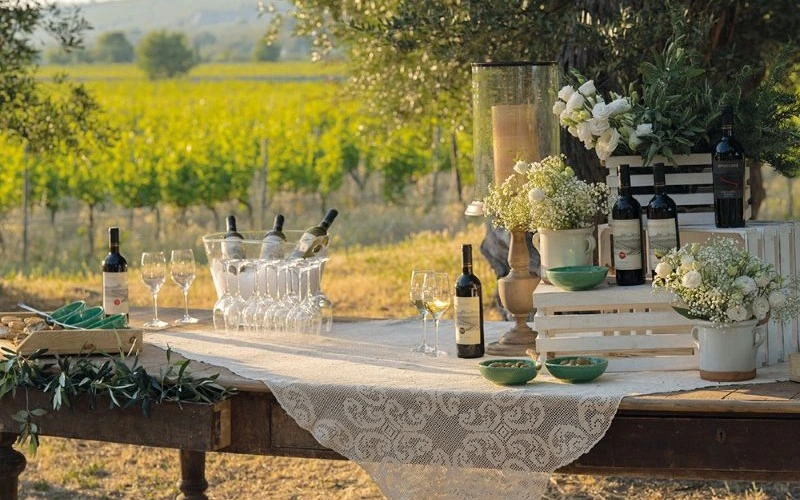
Since 2003, the masseria has been a place of hospitality where wine and olive oil production coexist with guided tours of the vineyards and winery, tastings, and cultural, recreational and professional events that bring its terrace and other spaces to life. The garden vineyard was designed by landscape architect Fernando Caruncho, who arranged the vine rows in waves, creating a sense of movement that transforms the vineyard into a landscape in its own right. The rooms and suites reflect the same understated sensibility: neutral colours, contemporary simplicity and original architectural features that reveal themselves naturally, as in the Suite Padronale and Suite Ovile.
Amà and local flavours
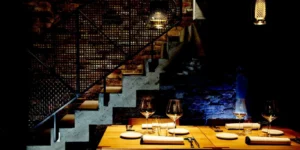
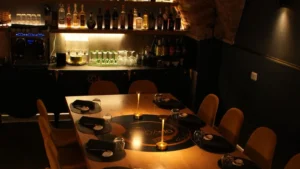
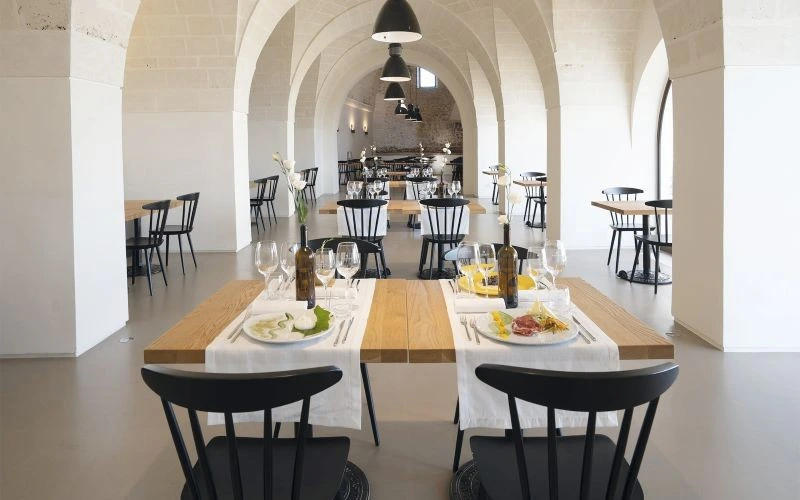
At the masseria’s restaurant, dinner is served by reservation, with cuisine firmly rooted in the local area. The wine selection features the estate’s own labels alongside wines from Apulian producers who share its commitment to organic practices.
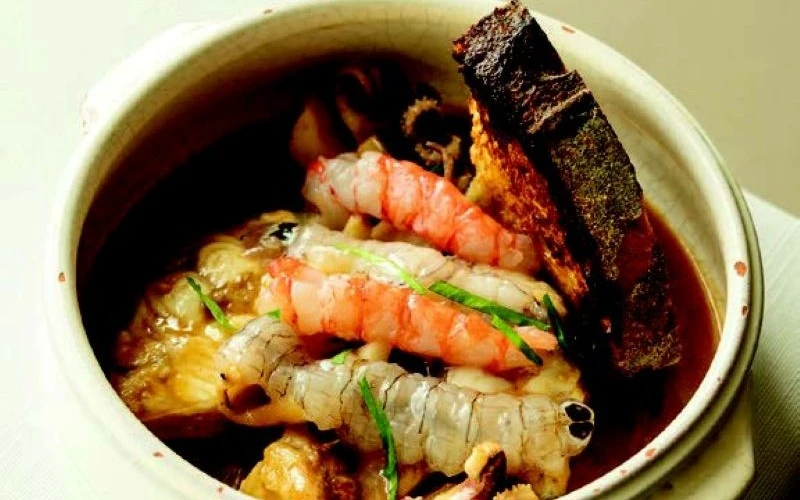
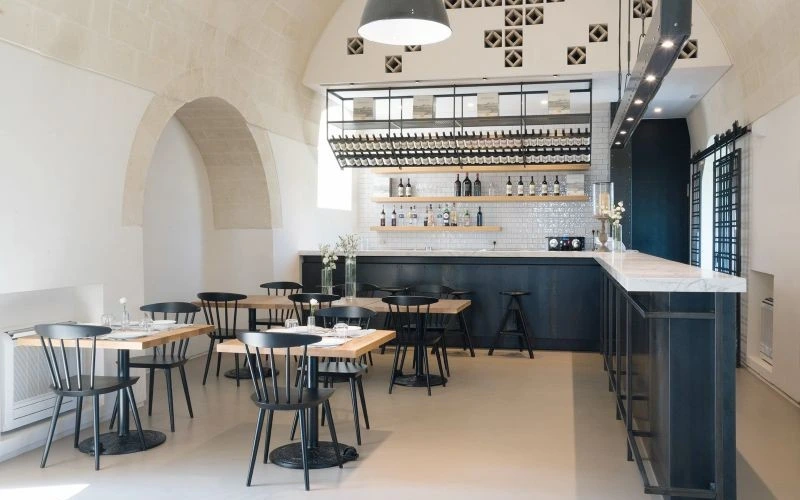
In the kitchen, chef Luigi Chirico takes tradition as his starting point, then follows the seasons and the inspiration of local producers. For him, “tradition is not a limitation but a starting point”: a source from which to create new balances without losing touch with the memory of the place. The flavours of inland Puglia, where land and sea come together, find their way naturally onto the plate, through carefully selected ingredients from the finest local producers and a particular attention to seasonality. Time-honoured recipes reimagined, Mediterranean aromas and a style of cooking that tells the story of the region without needing to explain it. The intimate atmosphere of the masseria completes the experience.
Strada Provinciale, 42 – Crispiano (TA)
tel. 099 9908025 – masseria@amastuola.it
www.amastuola.it